
How Much Money Do You Need to Live in Boston? A Realistic Guide for Anyone Considering a Move
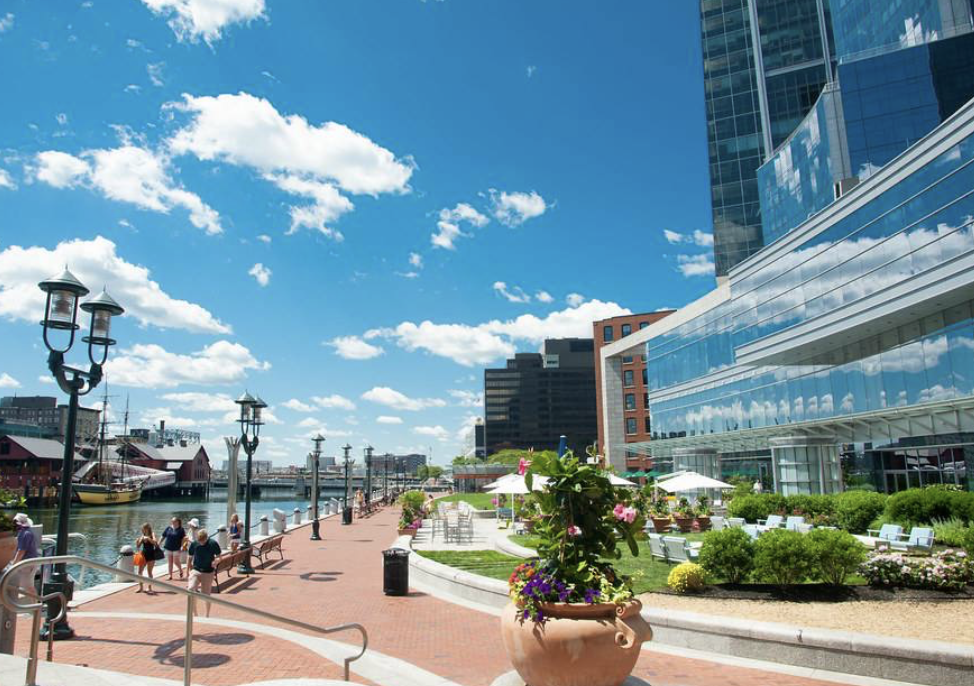
If you're thinking about moving to Boston, one of the first questions you'll probably ask is: "How much money do I actually need to live in Boston?" It's a fair question and one that deserves a realistic answer. Boston consistently ranks among the most expensive cities in the United States, but it also offers some of the country's best career opportunities, healthcare systems, universities, and neighborhoods. Whether you're relocating for work, family, education, or a lifestyle change, understanding Boston's cost of living can help you make a smart and confident decision.
Boston has always been a city that attracts ambitious people.
From its role in American history to its reputation as a global center for education, healthcare, finance, and innovation, the city continues to draw residents from across the country and around the world.
Over the last two decades, Boston's economy has been fueled by growth in biotechnology, healthcare, higher education, financial services, and technology. Major employers, world-renowned hospitals, and prestigious universities have created a steady influx of professionals seeking opportunities in the region.
At the same time, Boston's housing supply has struggled to keep pace with demand. The city's historic neighborhoods, limited land for development, and strong job market have all contributed to rising housing costs. Areas like Back Bay, Beacon Hill, South Boston, Charlestown, Jamaica Plain, the Seaport, and the South End remain highly sought-after places to live.
While Boston's cost of living may be higher than many U.S. cities, residents often point to its walkability, public transportation, culture, healthcare access, and career opportunities as reasons they choose to call Boston home.

What Does It Really Cost to Live in Boston?
Housing
Housing is by far the largest expense for most Boston residents. Renters can expect significantly higher monthly rents than the national average, while homebuyers often face competitive housing markets, especially in desirable neighborhoods close to downtown and major employment centers.
Transportation
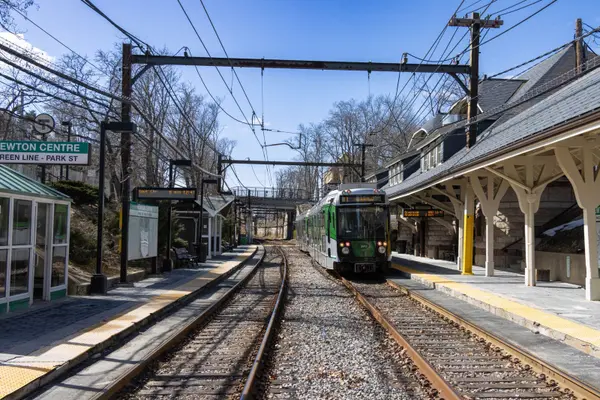
One advantage of living in Boston is that many residents don't need a car. The MBTA's subway, commuter rail, bus system, and walkable neighborhoods can help reduce transportation expenses compared to other major cities.
Food and Entertainment
Boston offers everything from neighborhood coffee shops and local seafood restaurants to professional sports, museums, concerts, and cultural events. While dining and entertainment costs can be higher than average, residents enjoy access to world-class experiences year-round.
Healthcare and Education
Boston is home to some of the nation's leading hospitals and educational institutions. While healthcare and childcare costs can be significant, many families view access to these resources as one of the city's greatest benefits.
Income Expectations
Many professionals relocating to Boston discover that salaries are often higher than national averages, particularly in healthcare, biotech, finance, consulting, education, and technology industries.
Why People Continue Moving to Boston
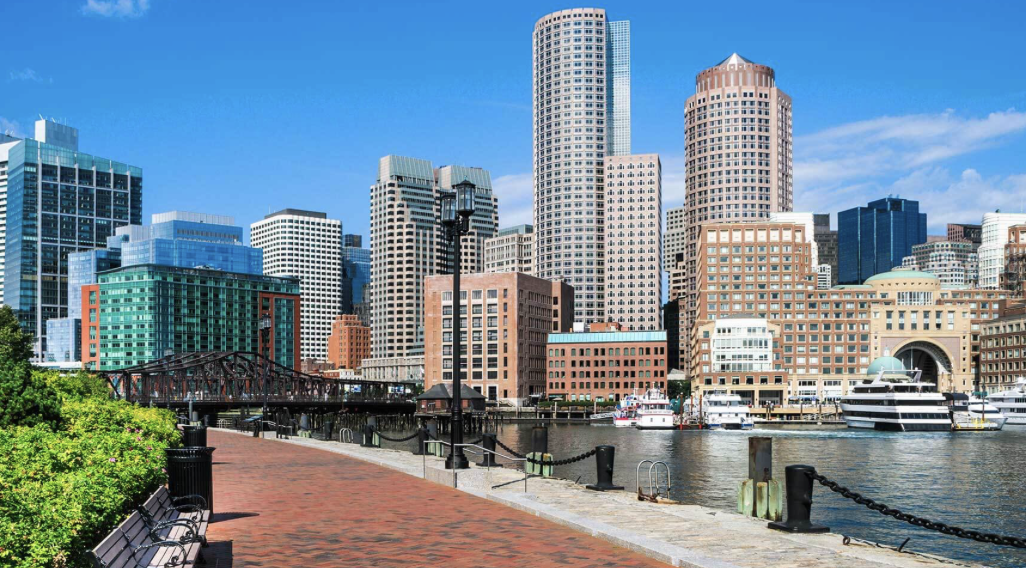
Despite its higher cost of living, Boston remains one of the most desirable cities in America. The city offers a unique combination of career growth, educational opportunities, healthcare access, historic charm, and vibrant neighborhoods.
For many residents, Boston provides something that's increasingly difficult to find elsewhere: a walkable, connected city with strong job opportunities and a high quality of life. From young professionals launching careers to families seeking top schools and empty nesters looking for urban convenience, Boston continues to attract people from every stage of life.
The question isn't always whether Boston is expensive, it's whether the opportunities and lifestyle align with your goals.
Thinking about moving to Boston? My team helps buyers and relocating families understand neighborhoods, housing costs, commuting options, and lifestyle differences throughout the city and surrounding communities. Reach out today or download our Boston Relocation Guide to start planning your move.

About Katherine Kranenburg
Katherine Kranenburg, REALTOR®, is a Luxury Marketing Specialist and top-producing Greater Boston REALTOR® with nearly two decades of experience helping buyers and sellers navigate one of the country's most competitive real estate markets.
Recognized as a Boston Magazine Top Real Estate Agent and backed by 5-Star Google reviews and client recommendations, Katherine is known for making relocation to Greater Boston feel seamless and stress-free. She specializes in helping relocation buyers, luxury home buyers, move-up families, downsizing homeowners, and sellers make confident real estate decisions with expert local guidance.
Whether you're buying or selling in Boston, Newton, Wellesley, Brookline, Back Bay, Newton Centre, Waban, Newton Highlands, or the surrounding Greater Boston communities, Katherine combines in-depth market knowledge, strategic negotiation, and personalized service to help clients achieve exceptional results.
Categories
- All Blogs (90)
- Boston Lifestyle & Things to Do (73)
- Boston Luxury Living (67)
- Boston Neighborhood Guides (72)
- Boston Real Estate Market (68)
- Buyer Education (56)
- Cambridge Housing Reform: What Boston Homebuyers Need to Know (5)
- Living in Boston MA (76)
- Living in Newton MA (86)
- New Construction & Development (53)
- Newton Village Guides (57)
- Restaurants & Local Businesses (59)
- Seller Strategy (58)
Recent Posts