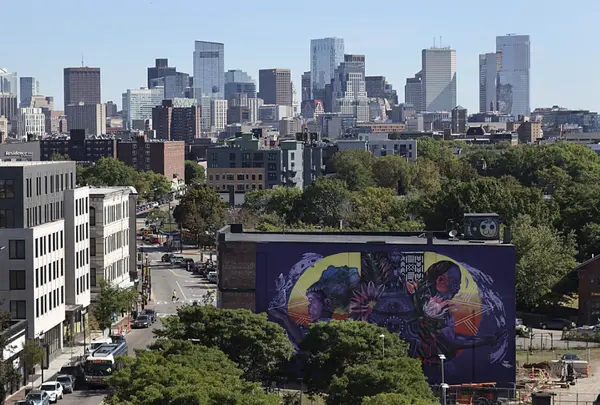

Downtown Boston Could Add 918 Apartments: What Buyers Should Know
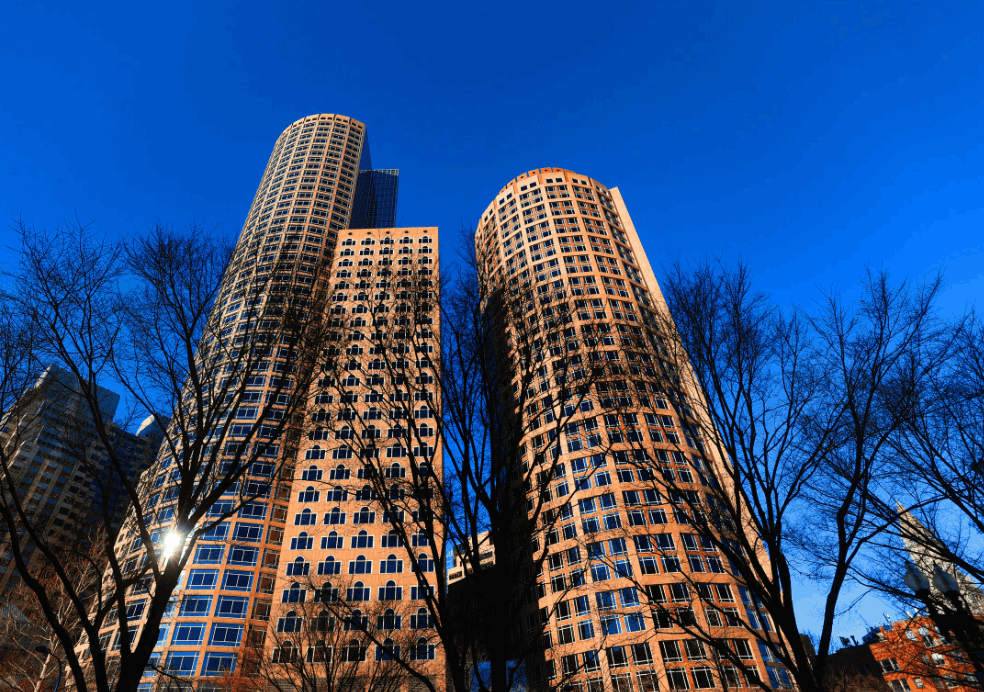
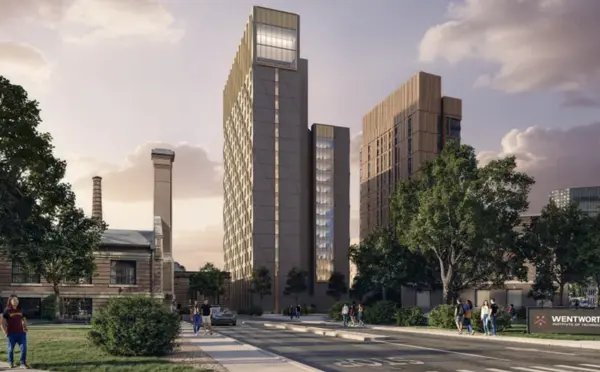
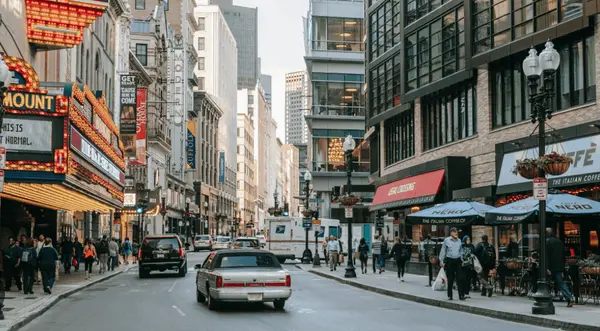
Boston’s Downtown Crossing may be entering one of its biggest transformations in decades. Developer Midwood Investment & Development has proposed two residential towers totaling 918 apartments along Bromfield Street, including a potential 500-foot tower at Washington and Bromfield streets. Approximately 180 of the proposed apartments would be income-restricted. For anyone considering buying a home in Boston, relocating to Boston, or investing in Boston real estate, the bigger story isn’t simply another development proposal. It’s what happens when hundreds, potentially thousands, of new residents begin calling Downtown Boston home.
You can also read my recent look at Downtown Boston’s shift from an office district into a residential neighborhood.
From Boston’s Historic Ladder Blocks to a New Residential Downtown
Bromfield Street sits within an area traditionally known as Boston’s Ladder Blocks, the short cross streets between Washington and Tremont streets that connect Downtown Crossing toward Boston Common. This is old Boston, literally.
The Ladder Blocks contain a concentrated collection of historically significant architecture, narrow streets and pedestrian passages. Boston’s own downtown planning documents describe the district as an architecturally and historically important part of the city, with buildings dating back to the 18th and 19th centuries. For decades, this part of Boston was primarily associated with shopping, offices and daytime activity. But Boston’s downtown economy changed dramatically following the rise of hybrid and remote work. Less daily office traffic left Boston asking a much bigger question:
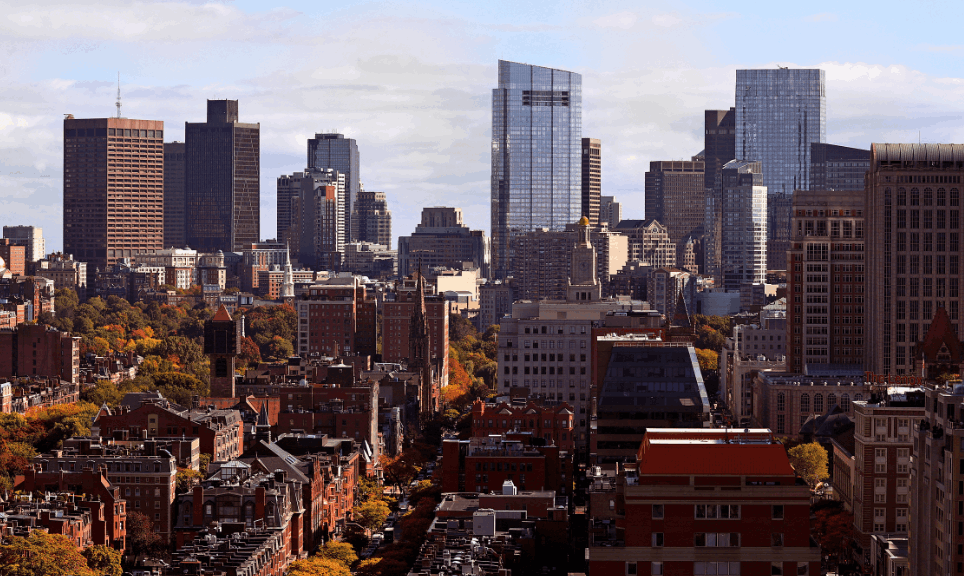
What should Downtown Boston become next?
Increasingly, the answer is housing. Boston’s updated PLAN: Downtown specifically prioritizes housing growth, mixed-use development, adaptive reuse and the evolution of Downtown into a more vibrant residential neighborhood.
That strategy is already visible. Boston’s Office-to-Residential Conversion Program has created a pipeline of roughly 1,700+ new homes by encouraging property owners to turn underused commercial buildings into residences. I recently covered several of those projects in Boston Is Adding 763 New Homes — Here’s Where the City Is Changing Next. In other words, Boston isn’t simply trying to bring workers Downtown. It is trying to bring residents Downtown.
What Is Being Proposed on Bromfield Street?
Midwood’s proposal could introduce 918 apartments across two residential towers near Bromfield Street and Washington Street. One tower could rise approximately 500 feet and include around 760 residences, while another proposed building at 45 Bromfield Street could add another 158 apartments. Approximately 180 apartments would be income-restricted. The scale alone makes this important—but the location is what makes the project particularly interesting from a real estate perspective.
Downtown Crossing sits within walking distance of Boston Common, Beacon Hill, the Financial District, Back Bay, restaurants, shopping, entertainment and major employment centers. Then there is transportation. Downtown Crossing is one of Boston’s strongest transit hubs, connecting riders to the Orange and Red Lines, while nearby stations provide additional access throughout Boston and Greater Boston. Buyers can explore Boston’s current subway, commuter rail and bus system directly through the MBTA. And that combination matters enormously when people relocating here ask me one of their most common questions:
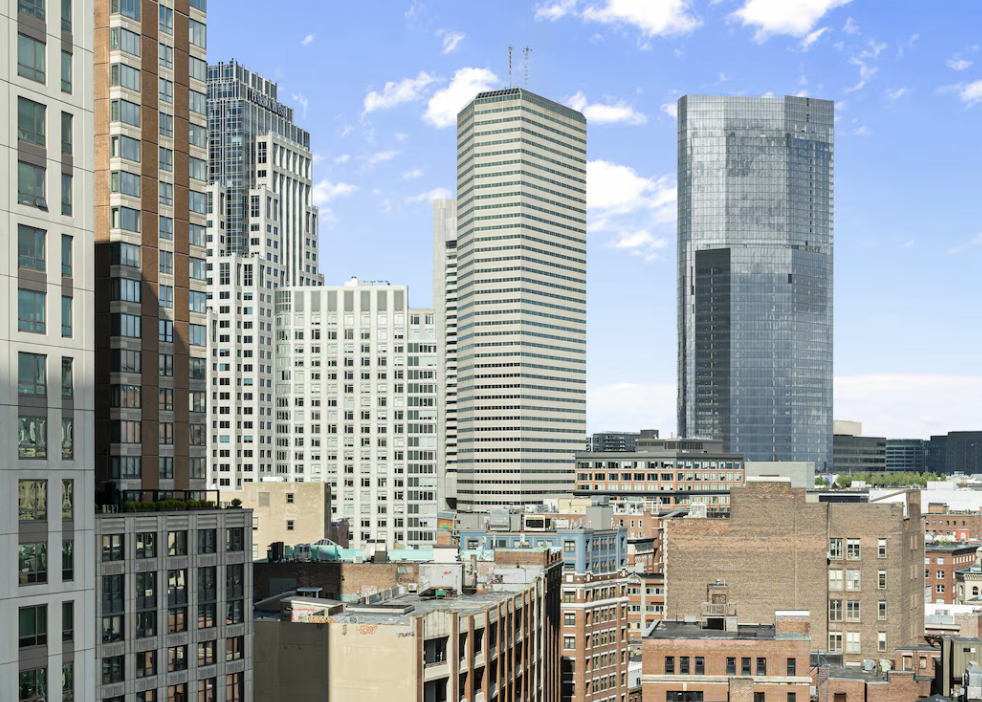
“Can I live in Boston without depending on a car?”
In this part of the city, the answer can very realistically be yes. For many relocation buyers, that ability to walk to work, take the T, reach restaurants without driving and access multiple Boston neighborhoods within minutes can completely change which properties make sense. Why 918 New Apartments Could Matter for Boston Real Estate Here’s the part Boston buyers should really pay attention to. Housing doesn’t transform a neighborhood by itself. Residents do. Hundreds of additional households create everyday demand for grocery stores, restaurants, cafés, fitness studios, services, entertainment and businesses that remain open beyond the traditional workday.
We are already seeing Boston pursue that model.
At 280–300 Washington Street, the city approved its largest office-to-residential conversion to date: 255 new homes, including 52 income-restricted residences, while preserving ground-floor retail. Another proposed conversion at 50 Congress Street would bring 169 apartments along with more than 7,000 square feet of ground-floor restaurant or retail space.
That’s why I think Downtown Boston is becoming one of the more interesting neighborhoods to watch. Not because every proposed tower will automatically increase surrounding property values. Real estate doesn’t work that neatly.
But when hundreds of new residents move into an area, the economics supporting neighborhood retail, restaurants, services, pedestrian activity and public-space investment can change. And that can change the experience of living there.
What Does This Mean if You’re Buying a Home in Boston?
For someone relocating to Greater Boston, development like this is exactly why I recommend looking beyond the condo or house you're touring. You also need to understand what is happening around it. What is being built nearby? What is being rezoned? Where is housing being added? Where are transportation and public-space improvements happening? And what might the neighborhood feel like five years from now, not simply today?
That matters whether you’re comparing Downtown Boston, Back Bay, Beacon Hill, South End and Seaport, or deciding between city living and communities such as Newton, Brookline and Wellesley. You’re not simply purchasing square footage. You’re buying into a neighborhood and the direction that neighborhood is heading. That is particularly important in Downtown Boston right now because the city is deliberately encouraging more housing and mixed-use development through its updated downtown planning and zoning policies.
Is Downtown Boston Becoming a Residential Neighborhood?
Increasingly, yes. Downtown will obviously remain one of Boston’s major business and employment centers, but the city’s development strategy is clearly moving toward a more balanced neighborhood where people live, work, eat, shop and spend time after 5 p.m. The Bromfield Street proposal would be another major step in that direction. And for Boston real estate buyers, that makes Downtown worth watching closely. The Downtown you see today may not be the Downtown you're living in five or ten years from now.
Thinking About Buying or Relocating to Boston?
Boston changes block by block, and understanding what is proposed before it gets built can completely change how you evaluate where to live.
About Katherine Kranenburg
Katherine Kranenburg, REALTOR®, is a Luxury Marketing Specialist and top-producing Greater Boston REALTOR® with nearly two decades of experience helping buyers and sellers navigate one of the country's most competitive real estate markets.
Recognized as a Boston Magazine Top Real Estate Agent and backed by 5-Star Google reviews and client recommendations, Katherine is known for making relocation to Greater Boston feel seamless and stress-free. She specializes in helping relocation buyers, luxury home buyers, move-up families, downsizing homeowners, and sellers make confident real estate decisions with expert local guidance.
Whether you're buying or selling in Boston, Newton, Wellesley, Brookline, Back Bay, Newton Centre, Waban, Newton Highlands, or the surrounding Greater Boston communities, Katherine combines in-depth market knowledge, strategic negotiation, and personalized service to help clients achieve exceptional results.
Categories
- All Blogs (89)
- Boston Lifestyle & Things to Do (73)
- Boston Luxury Living (67)
- Boston Neighborhood Guides (72)
- Boston Real Estate Market (68)
- Buyer Education (56)
- Cambridge Housing Reform: What Boston Homebuyers Need to Know (5)
- Living in Boston MA (76)
- Living in Newton MA (85)
- New Construction & Development (53)
- Newton Village Guides (57)
- Restaurants & Local Businesses (59)
- Seller Strategy (58)
Recent Posts