
Boston Bike Lanes & Real Estate: What Homebuyers Need to Know
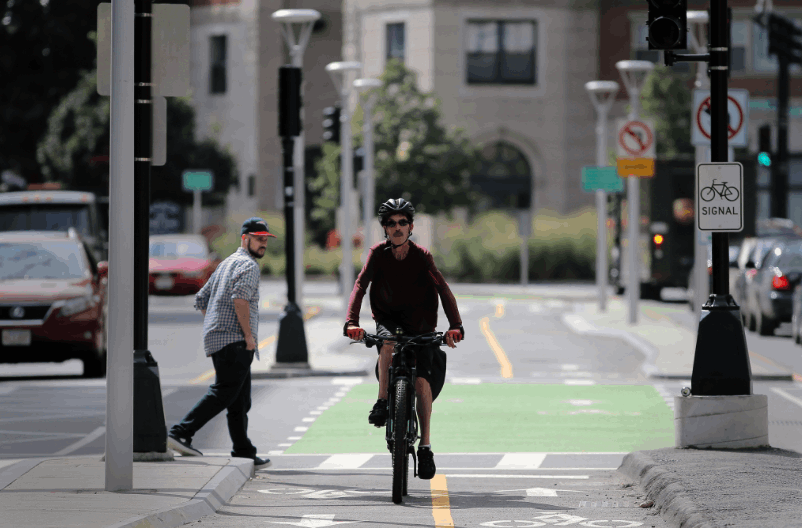
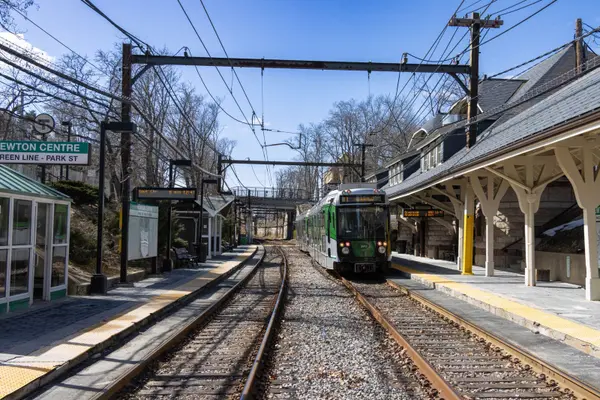
Boston’s streets are changing, and if you’re considering buying a home in Boston, those changes are worth paying attention to. A recent Boston Globe opinion piece has renewed the conversation around bike lanes, pedestrian safety, parking, traffic, and how Boston should redesign its streets. For Boston homebuyers, especially those relocating to Greater Boston, this isn’t simply a transportation debate. How you get to work, whether you need a car, access to public transportation, walkability, bike infrastructure, parking, and neighborhood connectivity can all influence where it makes sense to buy.
How Boston’s Transportation Priorities Have Changed
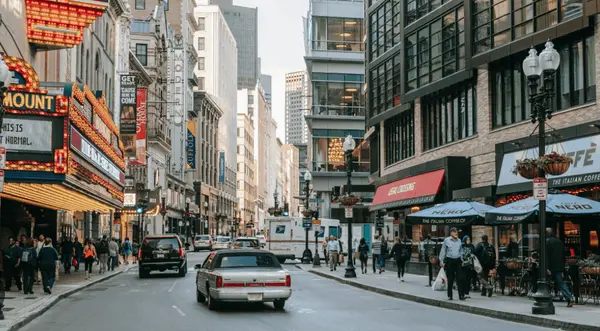
Boston has spent years working toward a transportation system that gives residents more options beyond driving. Through Go Boston 2030 and other transportation initiatives, the city has been expanding bicycle infrastructure, redesigning intersections, improving pedestrian conditions, and creating connections between neighborhoods, employment centers, parks, schools, and commercial districts. Boston’s long-term transportation plans include expanding safe and connected bike infrastructure throughout the city. You can follow current projects and cycling initiatives through the Boston Transportation Department and Boston Bikes. But Boston’s streets weren’t designed with modern transportation demands in mind. Many are narrow, historic, and already being shared by cars, delivery vehicles, MBTA buses, cyclists, pedestrians, scooters, residents, and businesses that depend on street parking. That has made almost every major street redesign a balancing act. And that debate is far from over.
What Could Change on Boston Streets?
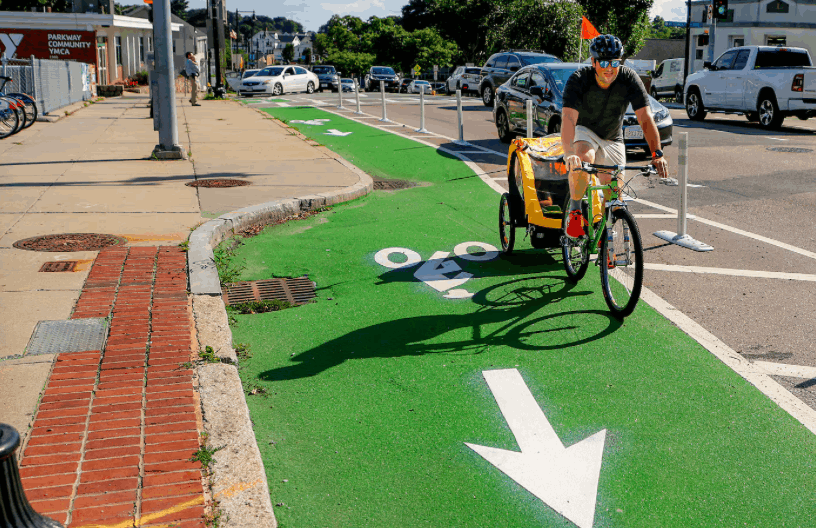
Boston continues to look at ways to improve safety for pedestrians, cyclists, drivers, and transit users. That includes protected bike lanes, intersection redesigns, traffic-signal changes, sidewalk and curb improvements, parking enforcement, and other infrastructure designed to make it easier and safer to move through the city. Boston is also building pieces of a larger connected cycling network. Projects such as the city’s Western Avenue Better Bike Lanes demonstrate how transportation infrastructure can reshape an entire corridor. And bicycle transportation isn’t limited to Boston proper. Bluebikes connects Boston with surrounding communities including Cambridge, Brookline, Newton, Watertown, Arlington, Chelsea, Everett, Revere, and Somerville. For someone moving to Greater Boston, that growing network adds another layer to the neighborhood decision.
Why Boston’s Bike Lane Debate Matters to Homebuyers
When I work with relocation buyers, one of the biggest mistakes I see is choosing a home before fully understanding how they will actually live in the neighborhood. A property can look perfect online. But what happens Monday morning? Can you walk to coffee? How long does it take to reach the MBTA? Is there a commuter rail station nearby? Do you need two cars? Where will you park? Can you bike to work? And how difficult is it to get across Boston during rush hour? These questions become particularly important when comparing living in Boston with nearby communities such as Newton, Brookline, Wellesley, Cambridge, or other Greater Boston suburbs. Transportation improvements can change the experience of a neighborhood street sometimes positively and sometimes with tradeoffs. Adding protected bike infrastructure or redesigned intersections may improve connectivity and pedestrian safety, while changes to street layouts can also affect parking, traffic patterns, deliveries, and access for nearby businesses. That is why buyers should look beyond the house itself and understand both what a neighborhood is today and what Boston is planning for it tomorrow.
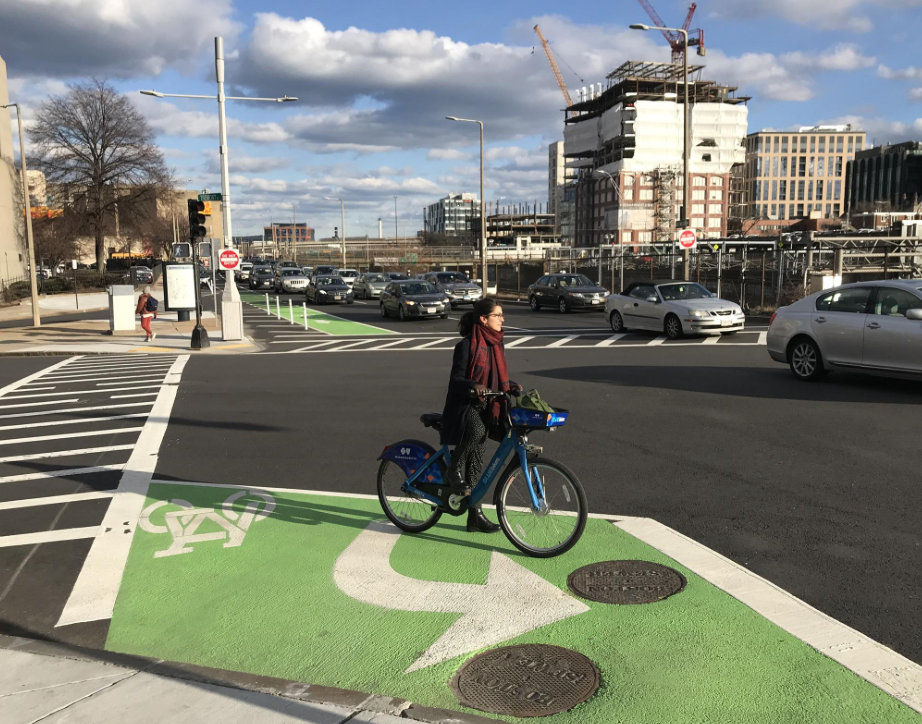
What Does This Mean for Boston Real Estate?
For real estate, transportation is fundamentally about access. Buyers moving to Greater Boston often compare neighborhoods based on the entire commute rather than simply the number of miles to downtown. A home near an MBTA station, commuter rail stop, walkable village center, major employment hub, or connected bike route may provide a very different lifestyle from a property that requires driving for nearly every trip. That doesn’t mean every buyer wants to bike or that every buyer wants to give up a car. It means transportation optionality matters. As Boston continues debating how its limited street space should be shared, neighborhood infrastructure will remain an important consideration for anyone deciding where to buy.
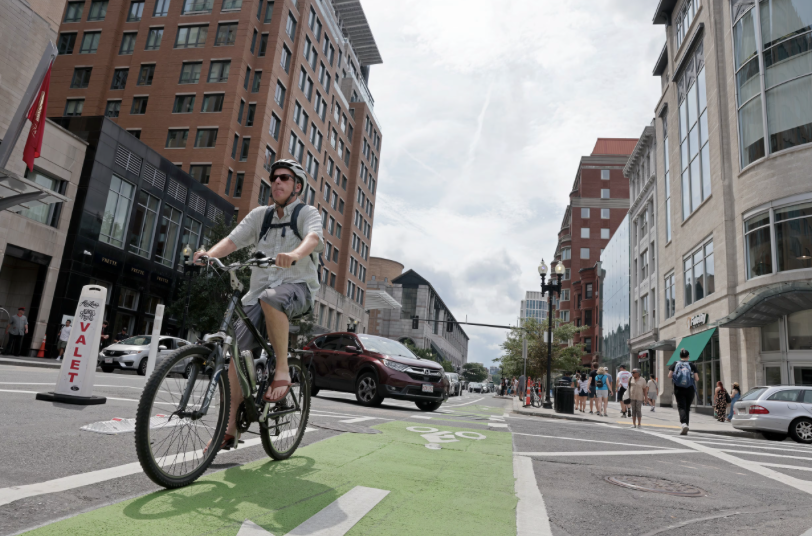
Thinking About Moving to Boston?
If you’re relocating to Boston, Newton, Brookline, Wellesley, or another Greater Boston community, don’t choose your neighborhood based on a map alone. I help relocation buyers understand the details that actually affect daily life from commute patterns and MBTA access to walkability, neighborhood development, housing options, and what is changing next.
Explore Moving to Newton MA and my Greater Boston relocation resources.
About Katherine Kranenburg
Katherine Kranenburg, REALTOR®, is a Luxury Marketing Specialist and top-producing Greater Boston REALTOR® with nearly two decades of experience helping buyers and sellers navigate one of the country's most competitive real estate markets.
Recognized as a Boston Magazine Top Real Estate Agent and backed by 5-Star Google reviews and client recommendations, Katherine is known for making relocation to Greater Boston feel seamless and stress-free. She specializes in helping relocation buyers, luxury home buyers, move-up families, downsizing homeowners, and sellers make confident real estate decisions with expert local guidance.
Whether you're buying or selling in Boston, Newton, Wellesley, Brookline, Back Bay, Newton Centre, Waban, Newton Highlands, or the surrounding Greater Boston communities, Katherine combines in-depth market knowledge, strategic negotiation, and personalized service to help clients achieve exceptional results.
Categories
- All Blogs (90)
- Boston Lifestyle & Things to Do (73)
- Boston Luxury Living (67)
- Boston Neighborhood Guides (72)
- Boston Real Estate Market (68)
- Buyer Education (56)
- Cambridge Housing Reform: What Boston Homebuyers Need to Know (5)
- Living in Boston MA (76)
- Living in Newton MA (86)
- New Construction & Development (53)
- Newton Village Guides (57)
- Restaurants & Local Businesses (59)
- Seller Strategy (58)
Recent Posts