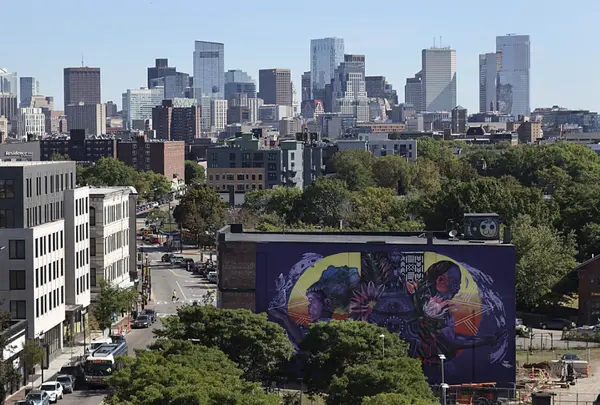

Downtown Boston’s Second Act: From Office District to Residential Neighborhood
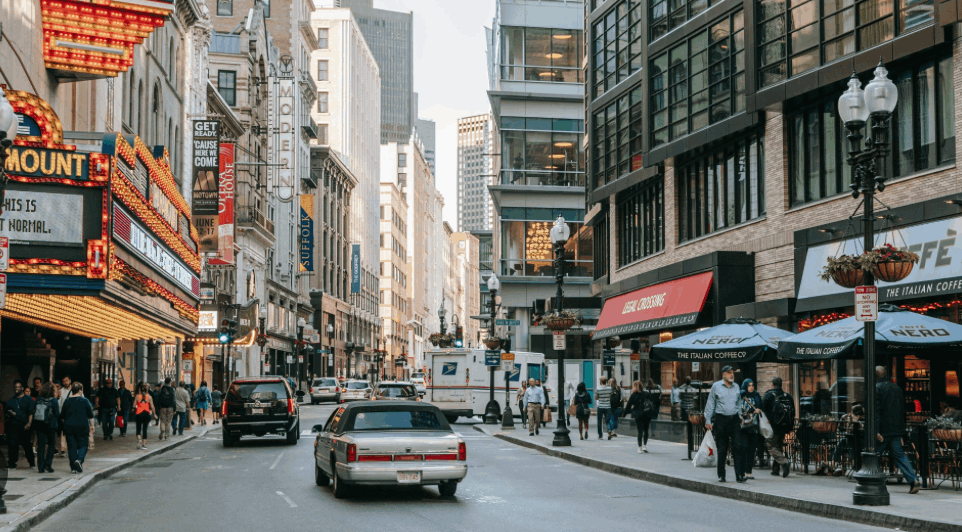
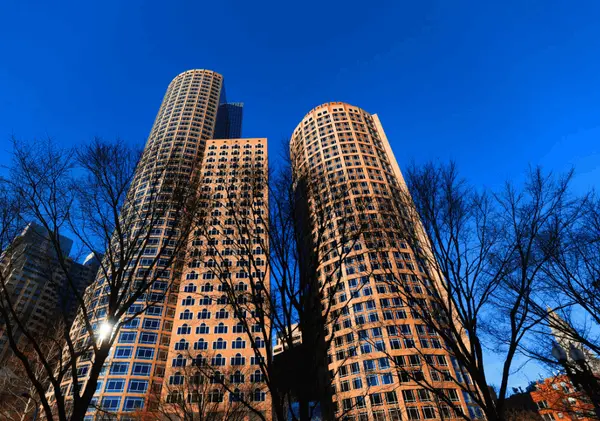
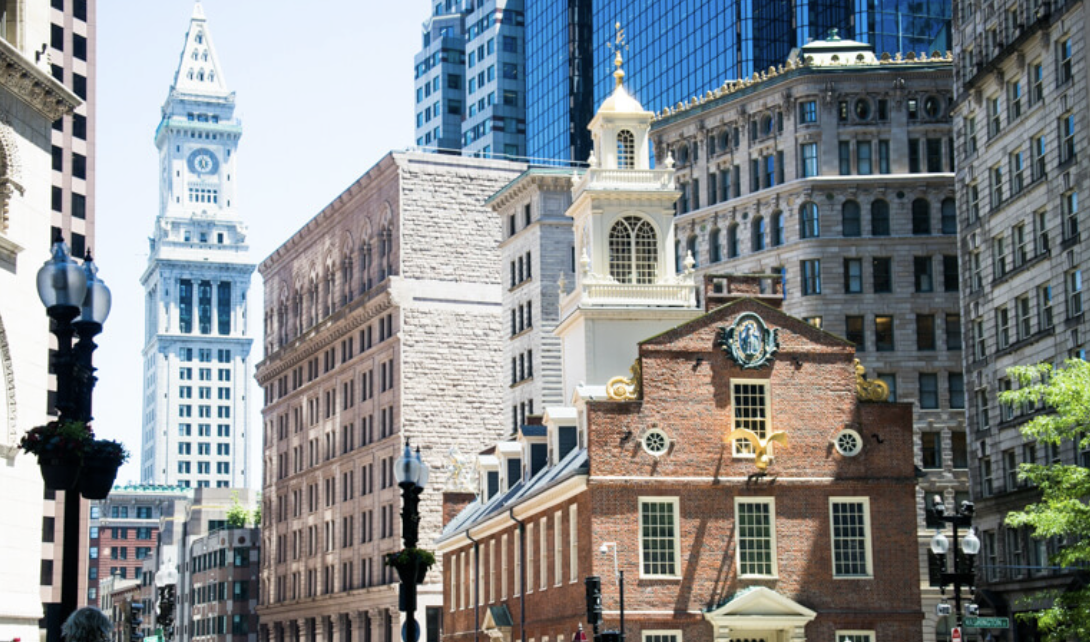
For decades, Downtown Boston and the Financial District followed a predictable rhythm: packed sidewalks in the morning, busy lunch counters at noon, and noticeably quieter streets once office workers headed home. That pattern is beginning to change.
The City of Boston is actively encouraging underused office buildings to become apartments, bringing more full-time residents into the heart of the city. The goal goes beyond filling vacant buildings. Boston is working toward what city planners describe as an “18-hour, mixed-use neighborhood” downtown where people live, shop, dine, walk their dogs, and spend their evenings, not simply commute in and out for work.
For buyers considering moving to Boston, Downtown may deserve a fresh look.
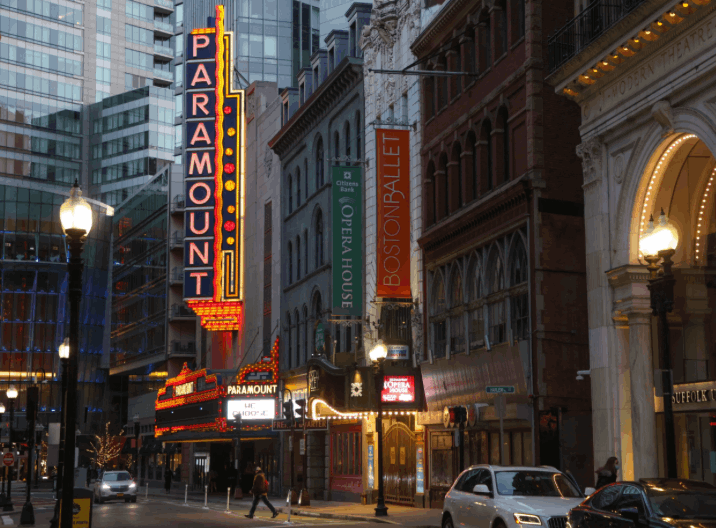
How Downtown Boston Got Here
Boston’s Financial District has historically been one of the city’s major employment centers, filled with banks, law firms, financial companies, and professional offices. But the shift toward hybrid and remote work dramatically changed how much office space companies needed.
By 2026, downtown office vacancy remained significant, particularly affecting older office buildings competing with newer, amenity-rich properties.
Boston responded by launching its Office-to-Residential Conversion Program in October 2023. The initiative offers financial and permitting incentives to property owners willing to convert qualifying commercial buildings into housing.
And the program has gained momentum.
By spring 2026, the conversion pipeline had grown to roughly 1,700 new homes across 29 downtown buildings, representing approximately 1.5 million square feet of former office space.
The first completed conversion, at 281 Franklin Street, transformed five floors of offices into 15 apartments that are now occupied.
This is no longer simply a proposal for what Downtown Boston could become. The transition has started.
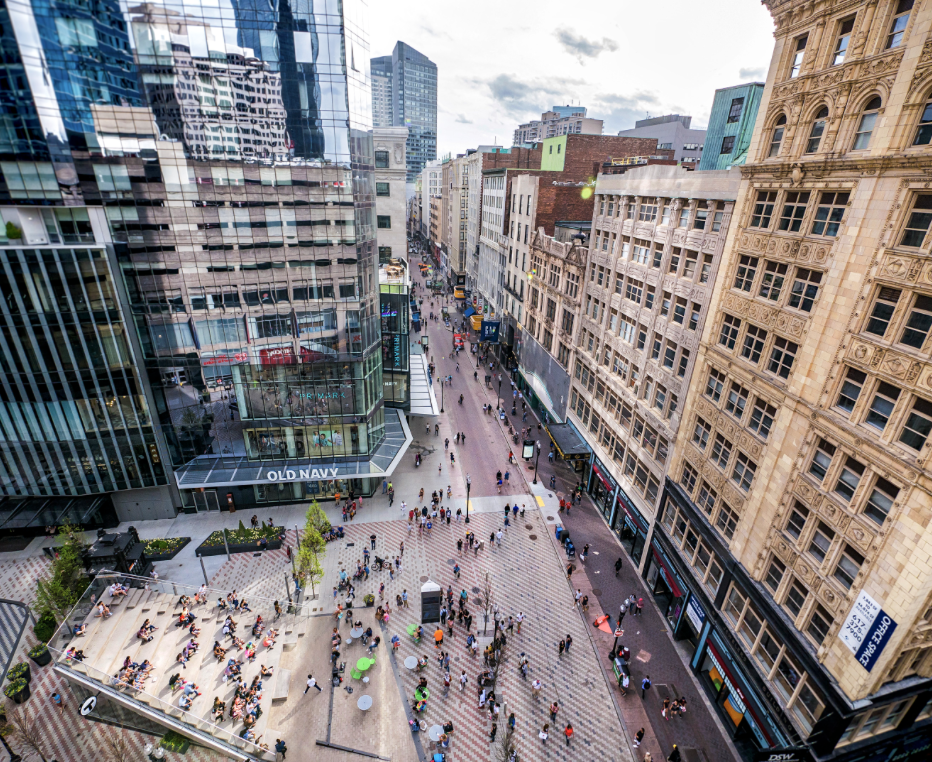
What’s Changing: Apartments, Retail and More Life After 5 PM
One of the biggest projects is the redevelopment of 280–300 Washington Street, including the historic Old South Building near Downtown Crossing. The approved conversion calls for 255 new homes, including 52 income-restricted units, while retaining ground-floor retail.
It is currently the largest office-to-residential conversion approved through Boston’s program.
Other properties are as follows.
At 50 Congress Street, plans call for 169 apartments, including income-restricted housing, along with approximately 7,371 square feet of ground-floor retail or restaurant space.
At 1 State Street, another conversion is expected to create 76 residences, while 15 State Street is proposed for 45 apartments with retail space on the lower floors.
That residential growth could gradually change what surrounds these buildings, too.
More residents create demand for the everyday amenities that make a neighborhood feel livable: grocery and specialty food options, restaurants, cafés, fitness studios, pet-friendly spaces and services, and businesses that remain active after the traditional workday ends.
Instead of a neighborhood dominated by the 9-to-5 commute, the vision is a Downtown Boston with significantly more life after 5.
What Does This Mean for Boston Home Buyers?
For someone moving to Boston, this shift is worth watching.
Downtown already offers something relocation buyers often prioritize: a highly walkable location with access to the MBTA, restaurants, entertainment, the waterfront, and major employment centers.
Adding more housing and neighborhood-oriented businesses could strengthen the residential side of that equation.
It is important, however, to separate what exists today from what is still evolving. Office conversions alone will not solve Boston’s housing shortage, and not every office building can realistically become housing because of construction costs, building layouts, window requirements, and residential codes.
But the direction is meaningful. Boston is deliberately repositioning portions of its commercial core as places where more people can actually live.
Is Downtown Boston a Good Place to Live?
For the right buyer, absolutely but it depends on the lifestyle you want.
If your priorities include walkability, MBTA access, proximity to work, restaurants, historic architecture, and an urban lifestyle, Downtown Boston deserves consideration alongside Back Bay, Beacon Hill, South End, and Seaport.
For relocation buyers, I also recommend looking beyond the property itself. Understanding what is planned around a building can be just as important as understanding the condo you're considering today.
Downtown Boston is entering a new chapter, and the neighborhood you see today may look considerably more residential a few years from now.
City Living or the Greater Boston Suburbs?
One of the biggest decisions for people relocating to Greater Boston is whether to live in Boston itself or move into one of the communities surrounding the city.
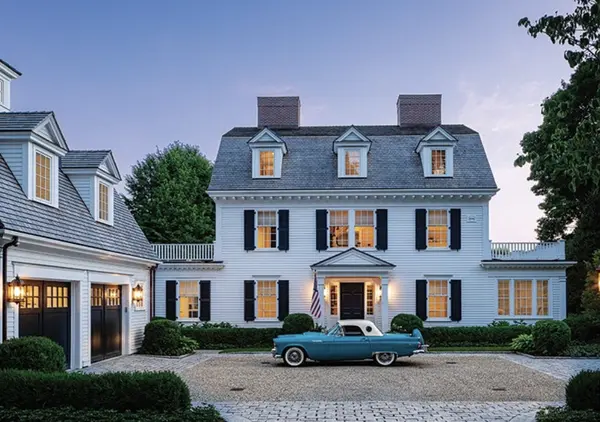
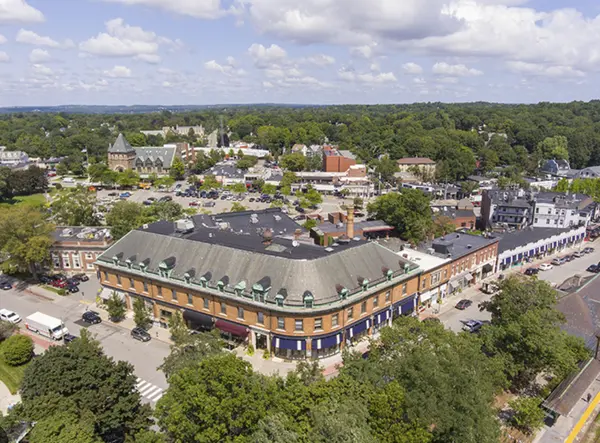
Buyers looking for an urban lifestyle may compare Downtown with Back Bay, Beacon Hill, South End, and Seaport, while buyers looking for more residential neighborhoods often explore communities such as Newton, Brookline, and Wellesley.
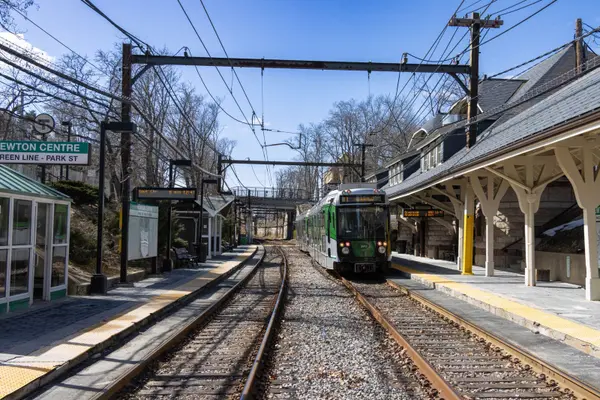
Within Newton, relocation buyers may also explore villages including Newton Centre, Waban, and Newton Highlands, depending on commute, housing style, walkability, and access to public transportation.
The right answer isn't simply city versus suburbs. It's finding the location that works for your everyday life.
Thinking About Moving to Boston?
If you're relocating to Greater Boston and trying to decide between city living and communities such as Newton, Brookline, or Wellesley, I help buyers understand not only where to buy—but how each neighborhood fits their commute, lifestyle, and long-term plans.
About Katherine Kranenburg
Katherine Kranenburg, REALTOR®, is a Luxury Marketing Specialist and top-producing Greater Boston REALTOR® with nearly two decades of experience helping buyers and sellers navigate one of the country's most competitive real estate markets.
Recognized as a Boston Magazine Top Real Estate Agent and backed by 5-Star Google reviews and client recommendations, Katherine is known for making relocation to Greater Boston feel seamless and stress-free. She specializes in helping relocation buyers, luxury home buyers, move-up families, downsizing homeowners, and sellers make confident real estate decisions with expert local guidance.
Whether you're buying or selling in Boston, Newton, Wellesley, Brookline, Back Bay, Newton Centre, Waban, Newton Highlands, or the surrounding Greater Boston communities, Katherine combines in-depth market knowledge, strategic negotiation, and personalized service to help clients achieve exceptional results.
Categories
- All Blogs (89)
- Boston Lifestyle & Things to Do (73)
- Boston Luxury Living (67)
- Boston Neighborhood Guides (72)
- Boston Real Estate Market (68)
- Buyer Education (56)
- Cambridge Housing Reform: What Boston Homebuyers Need to Know (5)
- Living in Boston MA (76)
- Living in Newton MA (85)
- New Construction & Development (53)
- Newton Village Guides (57)
- Restaurants & Local Businesses (59)
- Seller Strategy (58)
Recent Posts