
Boston Office Conversions Could Create New Housing Opportunities for Homebuyers
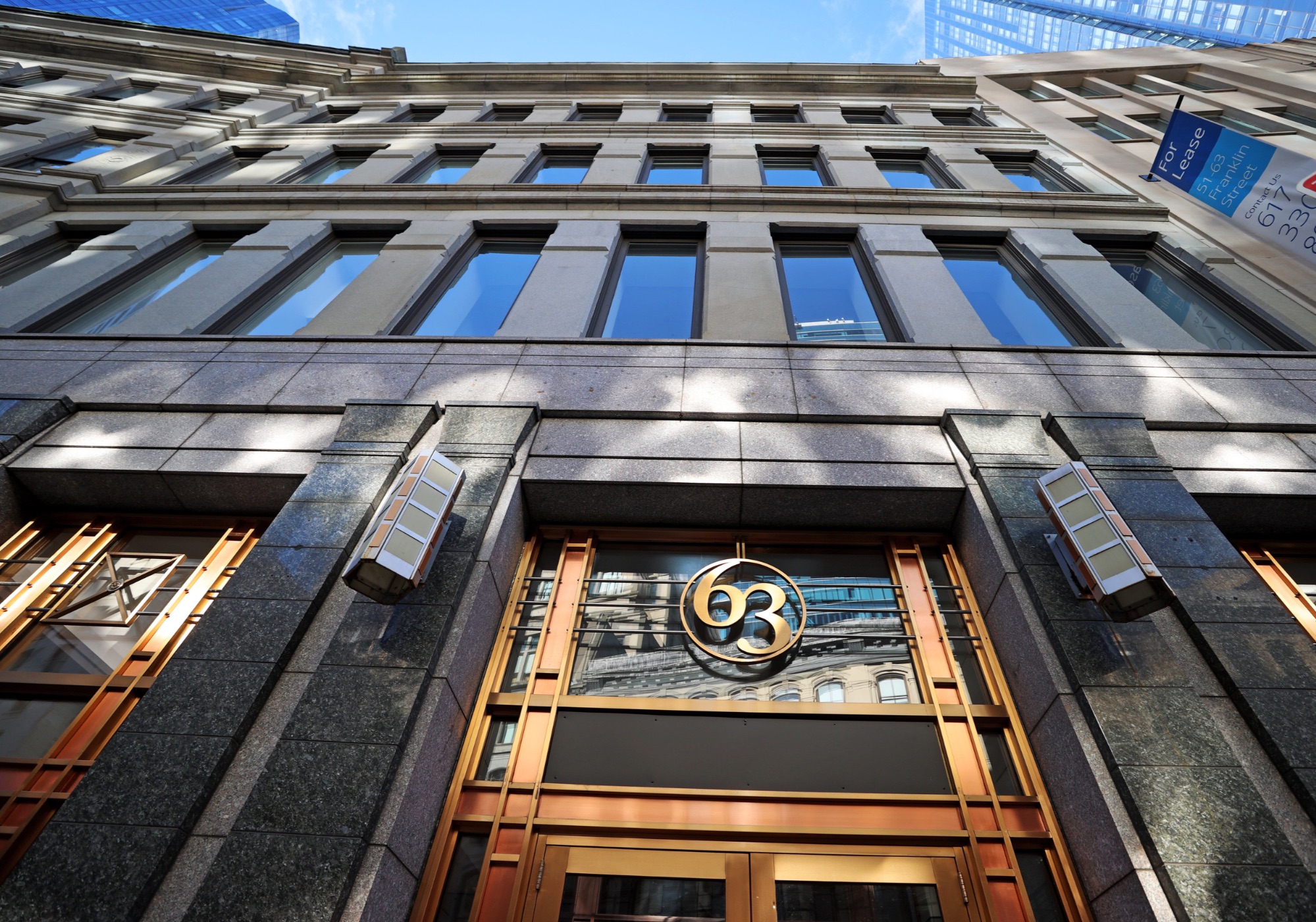
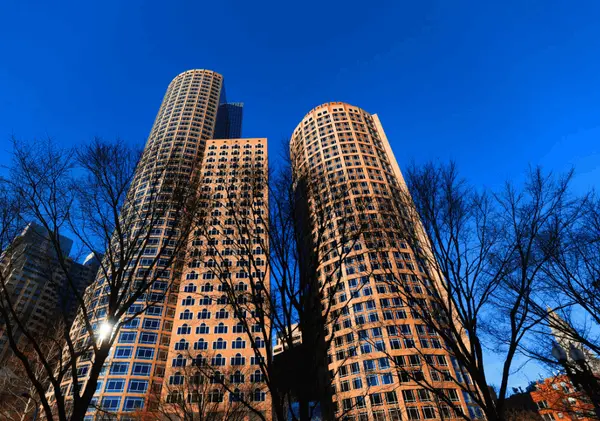
If you're considering moving to Boston, one of the biggest questions you probably have is: Will housing ever become more available? The answer may be hiding in plain sight. Across downtown Boston and several Massachusetts cities, former office buildings are being transformed into new residential housing. What was once empty commercial space is now becoming apartments, condos, and mixed-use communities designed to bring life back to city streets. For buyers relocating to Boston, this trend could create more housing options, strengthen neighborhoods, and reshape the future of urban living throughout Greater Boston.
Like many major cities, Boston experienced a dramatic shift
In how office space was used following the pandemic. As remote and hybrid work became the norm, many downtown office buildings saw vacancy rates climb. Rather than allowing these buildings to sit underutilized, city and state leaders began exploring creative solutions.
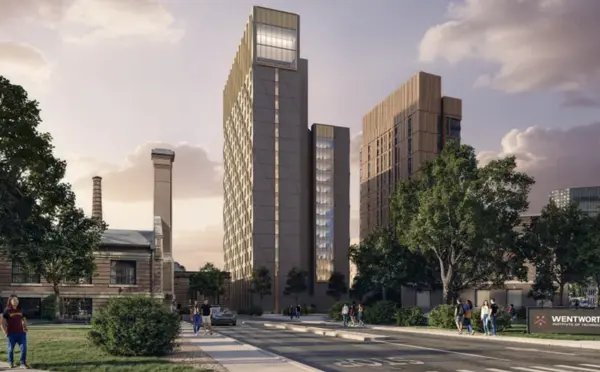
In 2024, Massachusetts launched initiatives aimed at encouraging developers to convert vacant commercial buildings into housing. The goal was twofold: address the state's housing shortage while bringing more residents back into downtown districts. Governor Maura Healey's administration identified office-to-residential conversions as one strategy to help close Massachusetts' estimated housing deficit while revitalizing urban centers. Several projects across Boston, Worcester, Pittsfield, New Bedford, and Fitchburg have already received funding and tax incentives to support redevelopment.
Boston has emerged as a national leader in this movement. Since launching its conversion program, the city has attracted numerous applications that could create well over 1,500 new housing units from previously vacant office space.
So what does this mean for someone relocating to Boston?
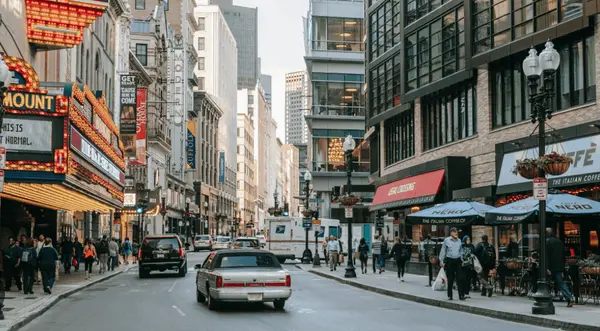
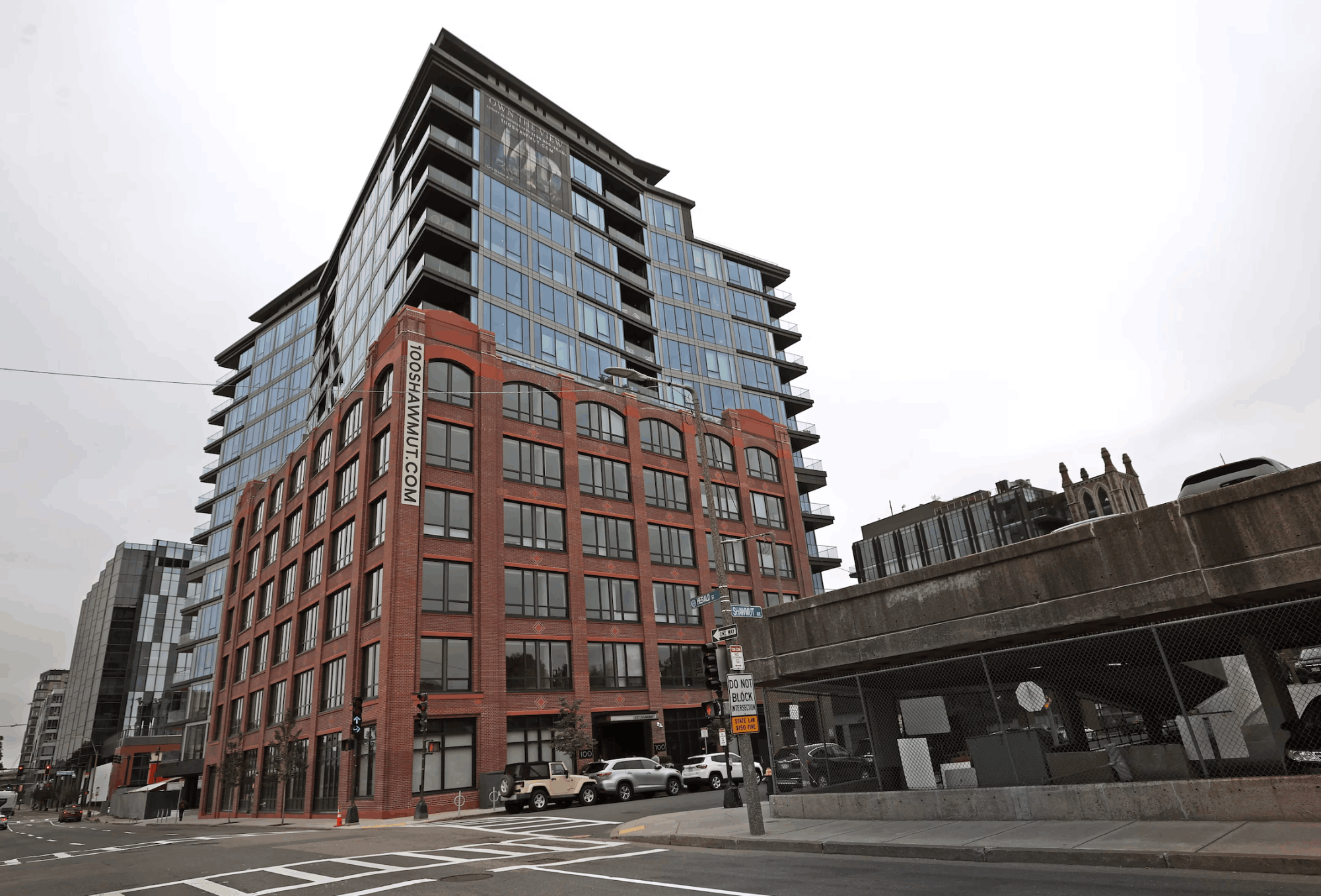
These conversions often take place in some of the city's most desirable and walkable neighborhoods, including the Financial District, Downtown Crossing, and Fort Point. Many of these historic buildings feature architectural details that would be difficult to recreate today: large windows, exposed brick, high ceilings, and unique character.
Several approved projects will introduce hundreds of new homes while preserving the charm of Boston's historic commercial buildings. Some developments also include street-level retail, restaurants, and community spaces designed to create vibrant, mixed-use neighborhoods.
For buyers and renters alike, these projects may offer something Boston desperately needs: additional housing inventory. While office conversions alone won't solve the region's housing challenges, they represent an important step toward increasing supply in highly sought-after locations.
For professionals working in finance, healthcare, biotech, education, or technology, these homes could provide easier access to employment centers, public transportation, restaurants, and Boston's waterfront amenities all without relying heavily on a car.
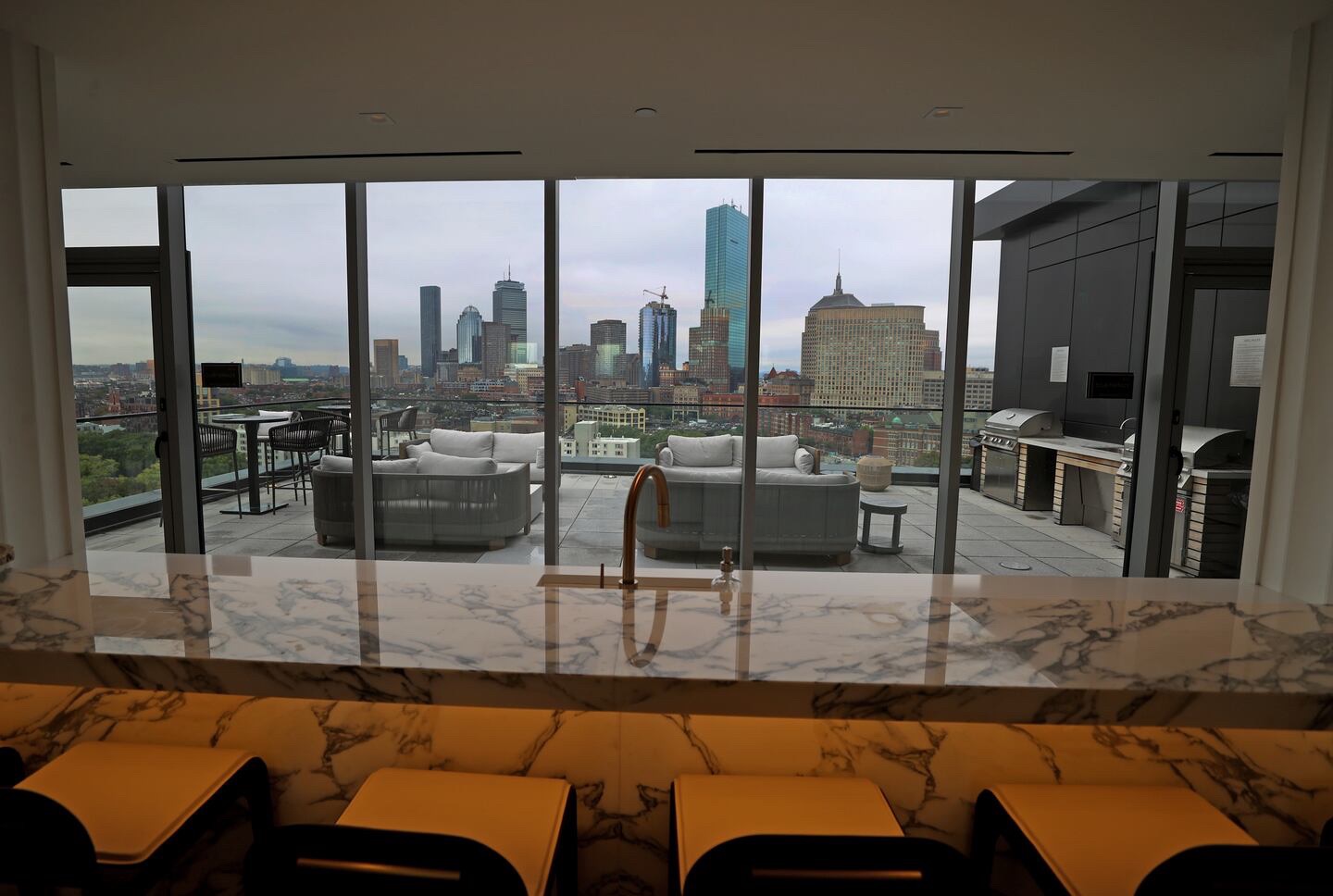
The significance of these projects extends beyond the buildings themselves.
More residents living downtown means more support for local businesses, restaurants, cultural attractions, and public spaces. City leaders view these conversions as a way to create a true 24-hour neighborhood rather than a district that becomes quiet after the workday ends.
For homebuyers relocating to Boston, increased housing production is welcome news. More inventory can help create additional choices across the market while contributing to the long-term health and vibrancy of Boston's urban core. It's one of several trends I'm watching closely as Greater Boston continues to evolve and grow.
Thinking about moving to Boston, Newton, Brookline, Wellesley, or the surrounding suburbs? Understanding where growth is happening can help you make a smarter relocation decision. Reach out anytime for local insight, neighborhood guidance, and a customized Boston relocation plan.
About Katherine Kranenburg
Katherine Kranenburg, REALTOR®, is a Luxury Marketing Specialist and top-producing Greater Boston REALTOR® with nearly two decades of experience helping buyers and sellers navigate one of the country's most competitive real estate markets.
Recognized as a Boston Magazine Top Real Estate Agent and backed by 5-Star Google reviews and client recommendations, Katherine is known for making relocation to Greater Boston feel seamless and stress-free. She specializes in helping relocation buyers, luxury home buyers, move-up families, downsizing homeowners, and sellers make confident real estate decisions with expert local guidance.
Whether you're buying or selling in Boston, Newton, Wellesley, Brookline, Back Bay, Newton Centre, Waban, Newton Highlands, or the surrounding Greater Boston communities, Katherine combines in-depth market knowledge, strategic negotiation, and personalized service to help clients achieve exceptional results.
Categories
- All Blogs (90)
- Boston Lifestyle & Things to Do (73)
- Boston Luxury Living (67)
- Boston Neighborhood Guides (72)
- Boston Real Estate Market (68)
- Buyer Education (56)
- Cambridge Housing Reform: What Boston Homebuyers Need to Know (5)
- Living in Boston MA (76)
- Living in Newton MA (86)
- New Construction & Development (53)
- Newton Village Guides (57)
- Restaurants & Local Businesses (59)
- Seller Strategy (58)
Recent Posts