
Where You Eat in Boston Says a Lot About Where You’ll Want to Live
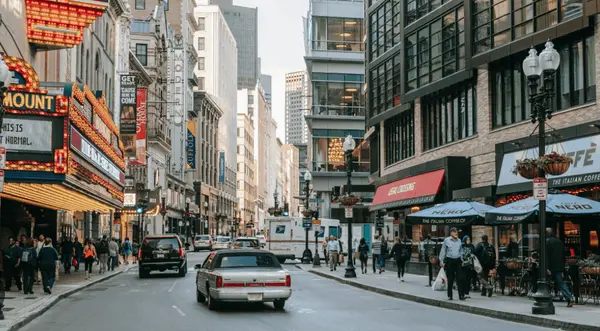
Boston has always been more than a place to buy a home. It is a collection of neighborhoods, routines, restaurants, coffee walks, school commutes, and “this is our spot” moments. A recent New York dining piece reminded me of something I see constantly with relocation buyers: the best neighborhoods are not always defined by square footage first. They are defined by how people live once they get there. Great restaurant cities are shaped by neighborhood personality, price points, local favorites, and destination dining not just the splashiest openings.
The History Behind Boston’s Neighborhood Dining Culture
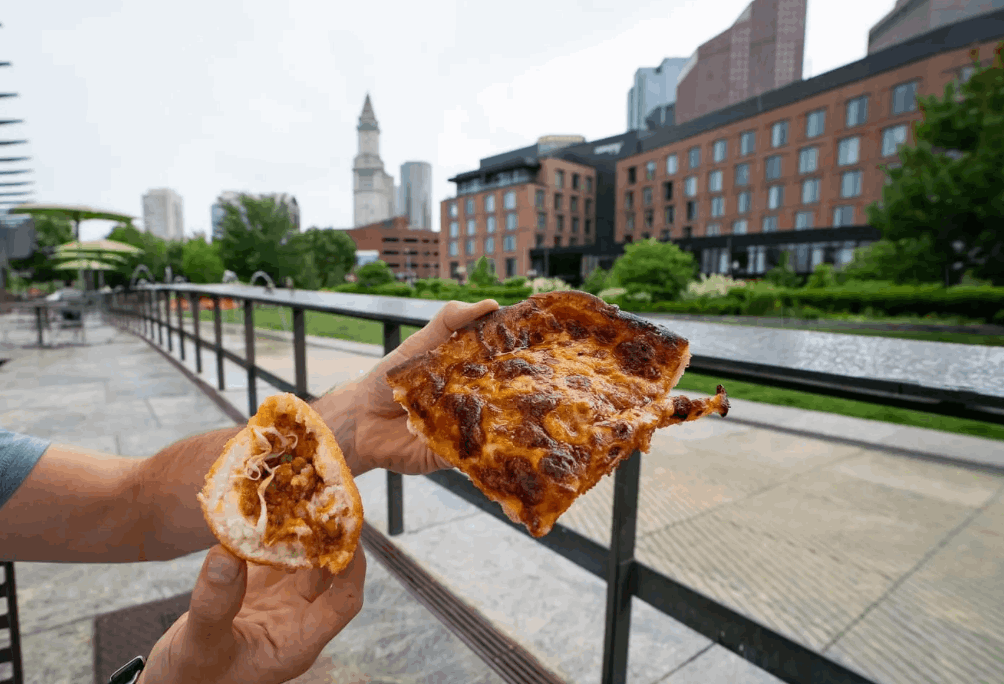
Boston’s food scene has always followed its neighborhoods. The North End built its identity around Italian bakeries, red-sauce institutions, espresso counters, and family-run restaurants. Chinatown remains one of the city’s most important cultural and culinary anchors. Back Bay and Beacon Hill bring that classic Boston elegance, where historic brownstones meet polished dining rooms, cafés, and walkable retail.
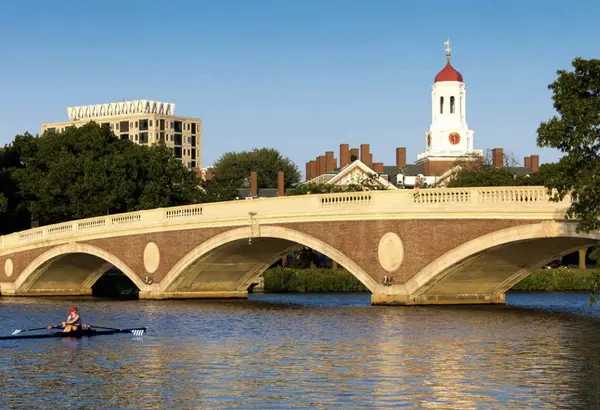
Then you have areas like Seaport, Fort Point, South End, Cambridge, Somerville, Brookline, and Newton, where the dining scene tells a different story: innovation, development, relocation, and lifestyle. These are the places where buyers start to imagine their actual week. Where would we grab dinner after work? Where would friends meet us? Where do we take visiting family? Where can we walk instead of drive?
That is why restaurants matter in real estate. They are not just “things to do.” They are neighborhood signals. They tell you who lives there, what the pace feels like, how walkable it is, and whether the area is still emerging or already established.

Boston Neighborhoods Buyers Should Watch Through a Food-and-Lifestyle Lens
For buyers moving to Boston, the restaurant scene can be a surprisingly helpful relocation tool. The South End is ideal for buyers who want charm, architecture, and one of the strongest dining corridors in the city. Seaport and Fort Point attract buyers who like newer construction, waterfront energy, fitness studios, office access, and high-end restaurants all in one place.
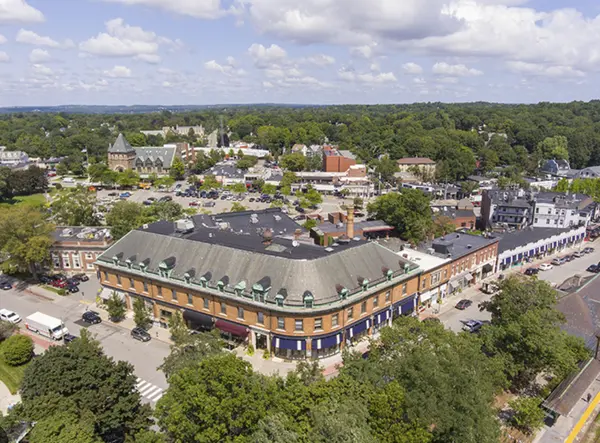
Brookline offers a more residential feel with strong walkability, neighborhood restaurants, and easy access into Boston. Cambridge and Somerville bring a mix of universities, biotech, culture, and independent dining. Newton is especially appealing for buyers who want suburban space without losing access to excellent restaurants, cafés, schools, parks, and village-style living.
This is where the lifestyle conversation gets real. A buyer may start with “four bedrooms and a commute under 30 minutes,” but the final decision often comes down to where life feels easiest, most connected, and most enjoyable.

Why This Matters for Boston Real Estate Buyers
In Greater Boston, lifestyle is a major driver of value. Buyers are not just comparing homes. They are comparing neighborhood ecosystems: schools, commute, restaurants, parks, transit, grocery access, and community feel. A strong local dining scene often supports walkability, evening activity, and long-term neighborhood desirability.
For relocation buyers especially, food becomes a shortcut to understanding the market. If a neighborhood has beloved local restaurants, strong foot traffic, and gathering places, it often feels easier to imagine putting down roots there. That does not mean you should buy a home just because the tacos are excellent although, honestly, I respect the logic but it does mean lifestyle should be part of the strategy.
About Katherine Kranenburg
Katherine Kranenburg, REALTOR®, is a Luxury Marketing Specialist and top-producing Greater Boston REALTOR® with nearly two decades of experience helping buyers and sellers navigate one of the country's most competitive real estate markets.
Recognized as a Boston Magazine Top Real Estate Agent and backed by 5-Star Google reviews and client recommendations, Katherine is known for making relocation to Greater Boston feel seamless and stress-free. She specializes in helping relocation buyers, luxury home buyers, move-up families, downsizing homeowners, and sellers make confident real estate decisions with expert local guidance.
Whether you're buying or selling in Boston, Newton, Wellesley, Brookline, Back Bay, Newton Centre, Waban, Newton Highlands, or the surrounding Greater Boston communities, Katherine combines in-depth market knowledge, strategic negotiation, and personalized service to help clients achieve exceptional results.
Categories
- All Blogs (90)
- Boston Lifestyle & Things to Do (73)
- Boston Luxury Living (67)
- Boston Neighborhood Guides (72)
- Boston Real Estate Market (68)
- Buyer Education (56)
- Cambridge Housing Reform: What Boston Homebuyers Need to Know (5)
- Living in Boston MA (76)
- Living in Newton MA (86)
- New Construction & Development (53)
- Newton Village Guides (57)
- Restaurants & Local Businesses (59)
- Seller Strategy (58)
Recent Posts