
Boston’s Back Bay Isn’t Dying. It’s Evolving Into One of the City’s Strongest Luxury Lifestyle Markets
If you’re thinking about buying a home in Boston, don’t count out Back Bay. While headlines have questioned the neighborhood’s future, the reality on the ground tells a very different story. Yes, Saks filed for bankruptcy and Neiman Marcus closed at Copley Place, but Back Bay is still attracting global retail, luxury dining, major office tenants, and serious buyer interest. For relocation clients looking at Boston real estate, Back Bay remains one of the city’s most walkable, connected, and lifestyle-rich neighborhoods. The better question is not “Is Back Bay over?” It’s “Why is everyone still trying to get in?”
Why Back Bay Has Always Been More Than a Shopping District
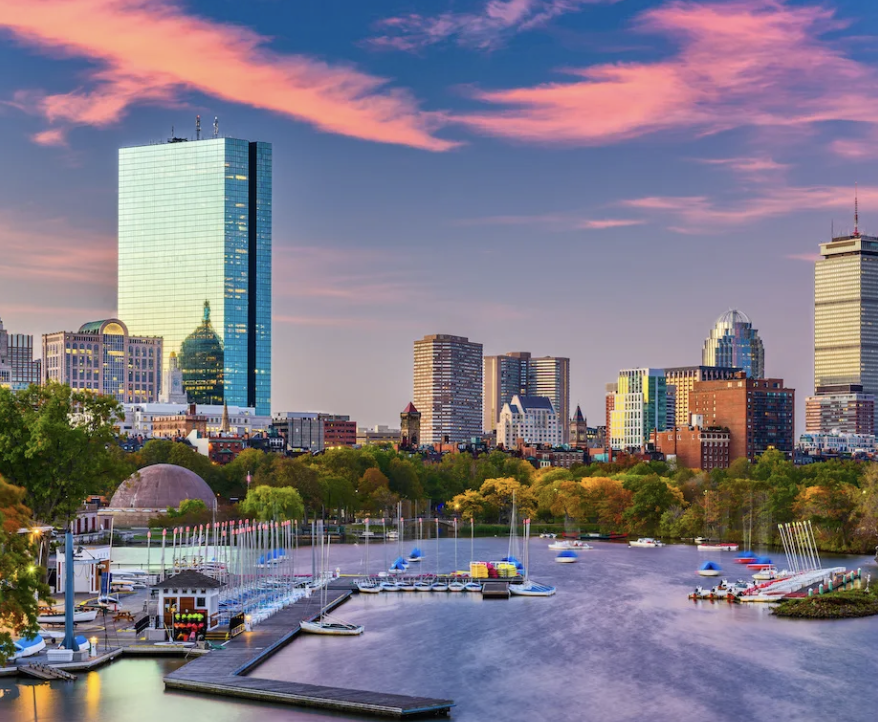
Back Bay has always been one of Boston’s signature neighborhoods because it blends history, architecture, retail, parks, restaurants, transit, and residential life in a way few urban neighborhoods can. Originally built on filled marshland, Back Bay became known for its Victorian brownstones, wide avenues, Commonwealth Avenue Mall, Newbury Street, and proximity to the Charles River Esplanade.
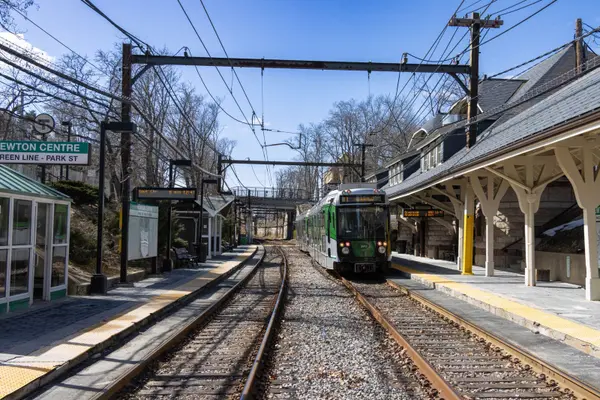
Over the decades, the neighborhood has faced plenty of change. Highways disrupted parts of the urban fabric, luxury retail shifted, office culture evolved, and newer neighborhoods like the Seaport tried to position themselves as Boston’s next big thing. But Back Bay has something that cannot be easily recreated: established architecture, walkability, mature streetscapes, Green Line access, restaurants, shopping, private clubs, hotels, schools, and a built-in residential base.
That combination matters deeply for buyers relocating to Boston. People are not just buying square footage here. They are buying access, identity, convenience, and a lifestyle that feels distinctly Boston.
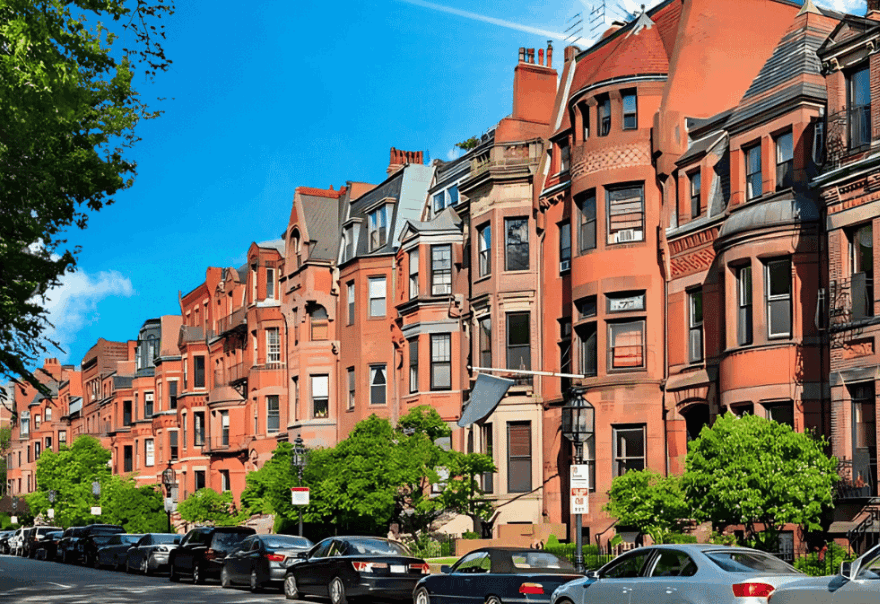
Retail, Restaurants, Offices, and Residential Demand
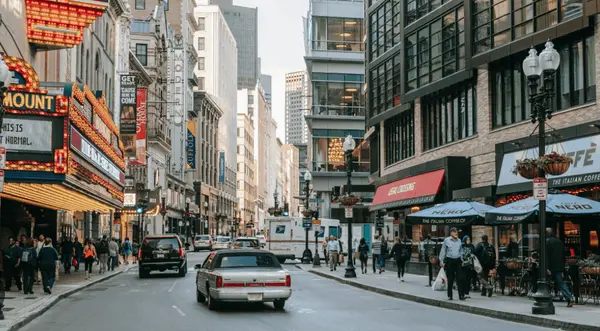
Back Bay’s current momentum is hard to ignore. Boston Magazine reports that Newbury Street vacancy is around one percent, foot traffic on Newbury is up 40 percent since 2023, and tenant sales across roughly 600 stores are up 20 percent year over year. The Prudential Center and Copley Place have also seen increased foot traffic since 2023, even as some national luxury retailers restructure.
New names are helping reshape the neighborhood. Cactus Club Café opened at 500 Boylston, drawing crowds with its polished dining experience. Lyrik Back Bay has brought in tenants and brands such as CarGurus, the Lego Group, CitizenM, Rivian, Avra Estiatorio, and Chicha San Chen. Meanwhile, 350 Boylston Street is adding high-end office and retail space, including Bain & Company.
Copley Place is also not sitting still. Plans include new dining, wellness, and retail concepts, with the remodel expected to be completed in 2028. For buyers, this signals something important: Back Bay is not frozen in the past. It is actively repositioning for the next generation of Boston residents, shoppers, diners, and professionals.
Why This Matters for Boston Real Estate Buyers
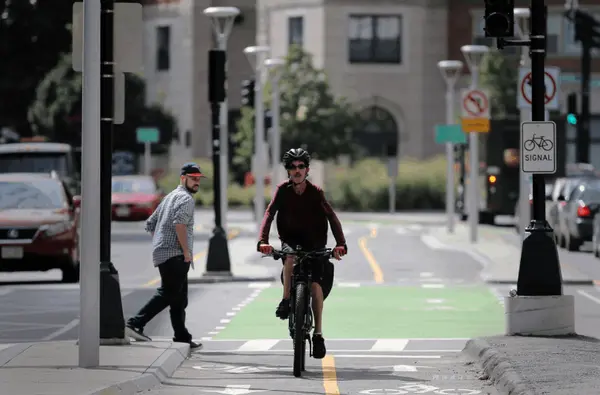
For luxury buyers and relocation clients, Back Bay offers something increasingly rare: a true live-work-play neighborhood with historic character and modern convenience. According to the article, 87 percent of Back Bay’s residential housing stock is occupied, 35 percent of occupied units are owner-occupied, and about half of residents do not own a car. That tells you a lot about the lifestyle. People live here because they can walk, take the T, dine out, shop, commute, and enjoy the city without building their entire life around a vehicle.
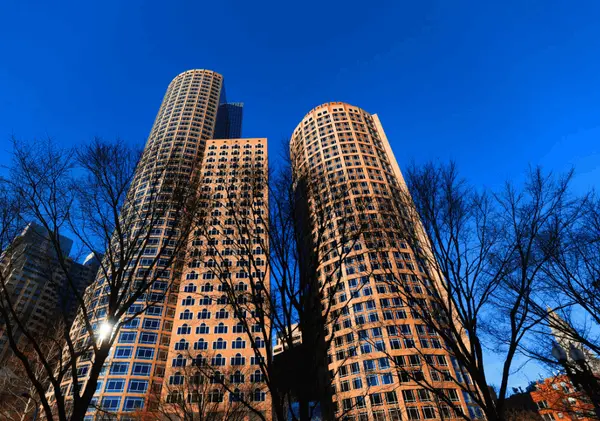
This is especially important for buyers comparing Back Bay to newer areas like the Seaport. The Seaport has luxury buildings and waterfront energy, but Back Bay has long-established infrastructure, transit, charm, density, and neighborhood identity. For real estate clients purchasing in Boston, those qualities can help protect long-term desirability.
Buying in Boston Means Understanding the Story Behind the Headlines
Back Bay is not fading. It is adapting. And for buyers relocating to Boston, that matters. The strongest neighborhoods are often the ones that can evolve while still holding onto what made people fall in love with them in the first place.
Thinking about buying in Boston, Back Bay, Newton, or the surrounding suburbs? Visit https://movingtonewtonma.com for local real estate guidance, relocation insight, and neighborhood strategy.
About Katherine Kranenburg
Katherine Kranenburg, REALTOR®, is a Luxury Marketing Specialist and top-producing Greater Boston REALTOR® with nearly two decades of experience helping buyers and sellers navigate one of the country's most competitive real estate markets.
Recognized as a Boston Magazine Top Real Estate Agent and backed by 5-Star Google reviews and client recommendations, Katherine is known for making relocation to Greater Boston feel seamless and stress-free. She specializes in helping relocation buyers, luxury home buyers, move-up families, downsizing homeowners, and sellers make confident real estate decisions with expert local guidance.
Whether you're buying or selling in Boston, Newton, Wellesley, Brookline, Back Bay, Newton Centre, Waban, Newton Highlands, or the surrounding Greater Boston communities, Katherine combines in-depth market knowledge, strategic negotiation, and personalized service to help clients achieve exceptional results.
Categories
- All Blogs (90)
- Boston Lifestyle & Things to Do (73)
- Boston Luxury Living (67)
- Boston Neighborhood Guides (72)
- Boston Real Estate Market (68)
- Buyer Education (56)
- Cambridge Housing Reform: What Boston Homebuyers Need to Know (5)
- Living in Boston MA (76)
- Living in Newton MA (86)
- New Construction & Development (53)
- Newton Village Guides (57)
- Restaurants & Local Businesses (59)
- Seller Strategy (58)
Recent Posts