
Is Massachusetts Ready for World Cup Traffic? What Boston Homebuyers Should Know Before Moving Here
Boston is getting ready for one of the biggest global events it has ever hosted: the 2026 FIFA World Cup. And while the matches will be played at Gillette Stadium in Foxborough, the impact will be felt across Greater Boston — from highways and commuter rail to hotels, restaurants, airports, and surrounding suburbs. Massachusetts officials are now warning residents and visitors to plan ahead, especially with more than 2 million visitors expected for seven World Cup matches in June and July.
For buyers thinking about moving to Boston, Newton, or the surrounding suburbs, this is a real-life reminder: location, commute patterns, public transportation, and regional access matter.
Historical Background: Why Boston Hosting the World Cup Is a Big Deal
Greater Boston has always been a city with global pull. Between its universities, hospitals, biotech companies, financial institutions, and historic neighborhoods, the region attracts people from all over the world. But the 2026 World Cup puts Boston on an even larger international stage.
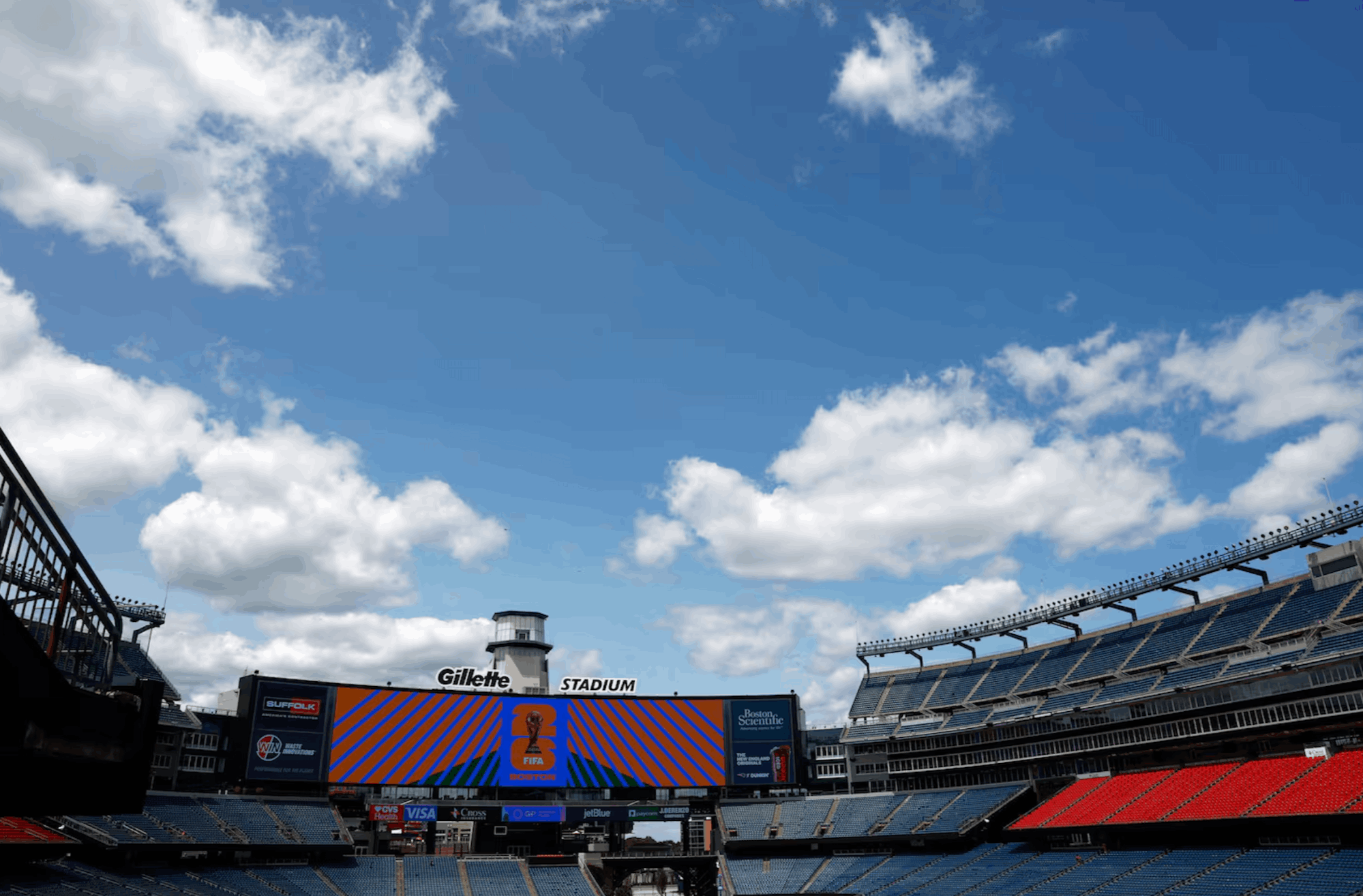
The tournament will be hosted across the U.S., Canada, and Mexico, with Boston selected as one of the host markets. Gillette Stadium — temporarily called Boston Stadium for the tournament — will host seven matches between June 13 and July 9, 2026, including five group-stage games, a Round of 32 match, and a Quarterfinal.
That kind of event brings excitement, tourism, and economic opportunity. It also tests the infrastructure of a region that already deals with heavy commuting patterns, especially along I-95, I-93, the Mass Pike, Route 1, Logan Airport routes, and commuter rail corridors.
For relocation buyers, this is why understanding Greater Boston is about more than picking a pretty house. You need to understand how people actually move through the region.
Key Details: What Officials Are Saying About World Cup Traffic
MassDOT is encouraging fans to “Kick the Drive” and avoid driving to matches whenever possible. The state is urging visitors to use public transportation, shuttles, and planned transportation routes instead of simply putting Gillette Stadium into a GPS app and hoping for the best.
That warning comes after a March preview event — a Brazil-France friendly at Gillette Stadium — created major traffic issues around Foxborough and nearby roads. Officials said the experience helped them identify what needs to be improved before the World Cup.
For World Cup matches, parking will be much more limited than a typical Patriots game. Reports say parking may be reduced from about 20,000 spaces to roughly 5,000, which means many fans will need to rely on commuter rail or bus options.
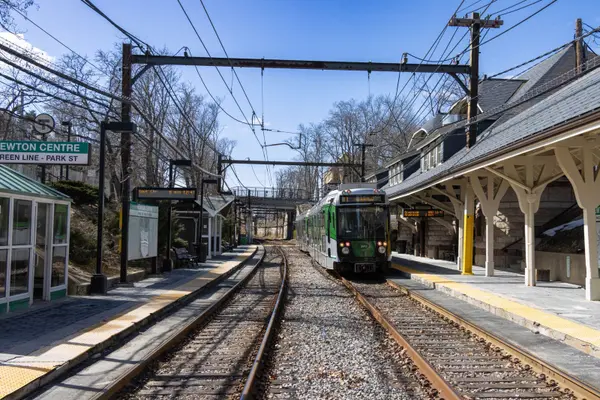
The MBTA is expected to run special commuter rail service from Boston’s South Station to the stadium, and dedicated bus service is also expected from locations such as Logan Airport, Providence, and Greater Boston hotels.
In other words: this is not just a sports story. It is a transportation, planning, and lifestyle story.
Why This Matters for the Boston Real Estate Market
For buyers relocating to Greater Boston, the World Cup traffic conversation highlights something I talk about all the time: your commute and lifestyle should be part of your home search from day one.
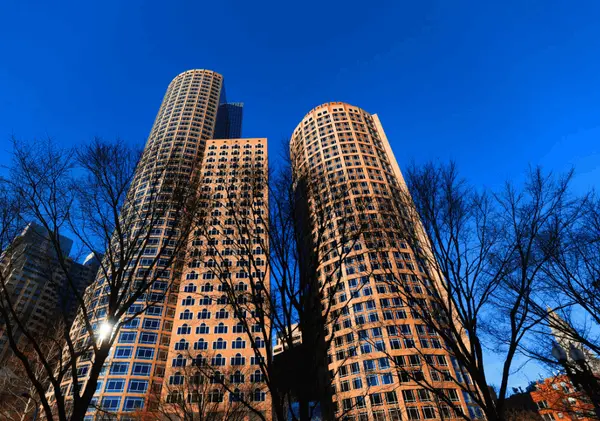
Newton, Brookline, Wellesley, Weston, Needham, Dedham, Boston, Cambridge, and the Seaport all offer very different access points depending on where you work, how often you travel, whether you need Logan Airport, and how much you rely on public transportation.
A home that looks perfect online may feel very different once you factor in school drop-off, hospital commutes, biotech corridors, Back Bay meetings, airport runs, or weekend traffic to the Cape, Foxborough, or Providence.
Big events like the World Cup expose the strengths and pressure points of the Boston region. They also remind buyers why local guidance matters. You are not just buying bedrooms and bathrooms — you are buying a daily rhythm.
Final Thoughts: Moving to Boston Means Understanding the Map
The 2026 World Cup will bring energy, visitors, and global attention to Greater Boston. It will also bring traffic. For homebuyers, that makes one thing very clear: where you live in Massachusetts can dramatically shape how you experience the region.
Thinking about buying in Boston, Newton, or the surrounding suburbs? I help relocation buyers understand not just the homes, but the lifestyle, commute, neighborhoods, schools, and local tradeoffs that matter.
About Katherine Kranenburg
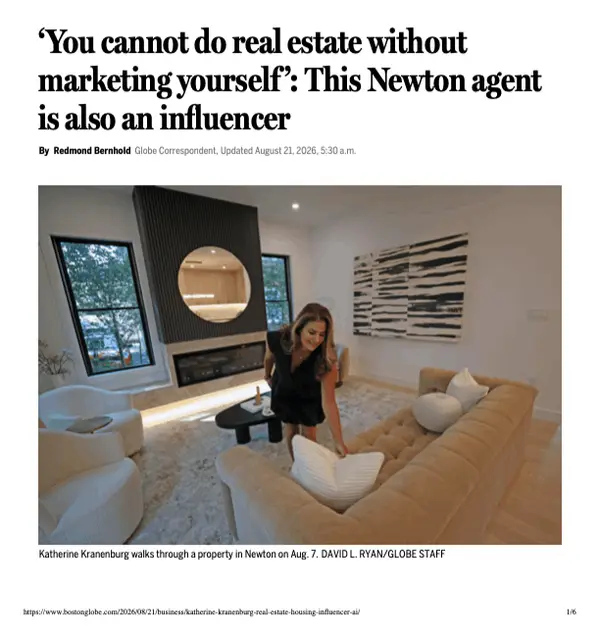
Katherine Kranenburg, REALTOR®, is a Luxury Marketing Specialist and top-producing Greater Boston REALTOR® with nearly two decades of experience helping buyers and sellers navigate one of the country's most competitive real estate markets.
Recognized as a Boston Magazine Top Real Estate Agent and backed by 5-Star Google reviews and client recommendations, Katherine is known for making relocation to Greater Boston feel seamless and stress-free. She specializes in helping relocation buyers, luxury home buyers, move-up families, downsizing homeowners, and sellers make confident real estate decisions with expert local guidance.
Whether you're buying or selling in Boston, Newton, Wellesley, Brookline, Back Bay, Newton Centre, Waban, Newton Highlands, or the surrounding Greater Boston communities, Katherine combines in-depth market knowledge, strategic negotiation, and personalized service to help clients achieve exceptional results.
Categories
- All Blogs (90)
- Boston Lifestyle & Things to Do (73)
- Boston Luxury Living (67)
- Boston Neighborhood Guides (72)
- Boston Real Estate Market (68)
- Buyer Education (56)
- Cambridge Housing Reform: What Boston Homebuyers Need to Know (5)
- Living in Boston MA (76)
- Living in Newton MA (86)
- New Construction & Development (53)
- Newton Village Guides (57)
- Restaurants & Local Businesses (59)
- Seller Strategy (58)
Recent Posts