
35 Affordable Apartments Proposed in Newton Highlands
What's happening at 1186 Walnut Street in Newton Highlands, and what could it mean if you're buying a home in Greater Boston?
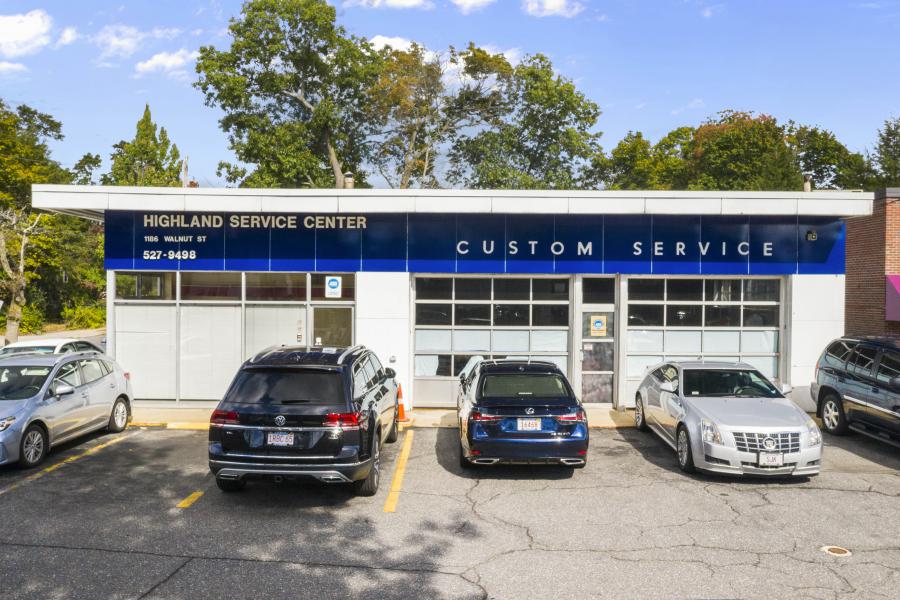
A proposed six-story development would bring 35 income-restricted rental apartments and ground-floor commercial space to Newton Highlands, replacing a former auto service station near the Green Line.
With an estimated development cost of $26.8 million and a $2 million local funding request under consideration, the project highlights an important shift in Greater Boston real estate: communities are exploring ways to add housing near established village centers and public transportation.
For anyone moving to Boston or comparing Newton with nearby communities, this proposal is worth understanding.
Why Newton Highlands Is Part of the Greater Boston Housing Conversation
Newton has long attracted buyers who want access to Boston while living in a community with established residential neighborhoods, local businesses, and convenient transportation connections.
Newton Highlands offers a particularly interesting example of how the area's housing landscape is evolving.
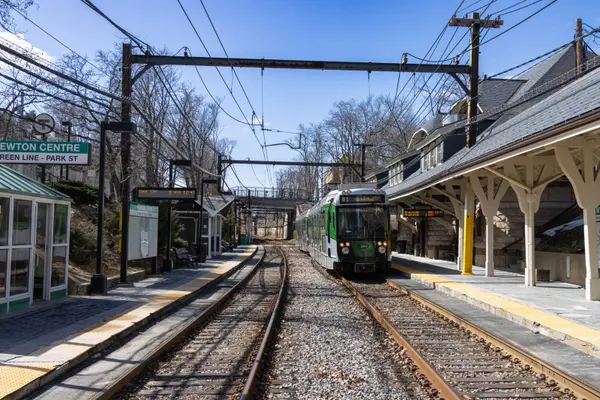
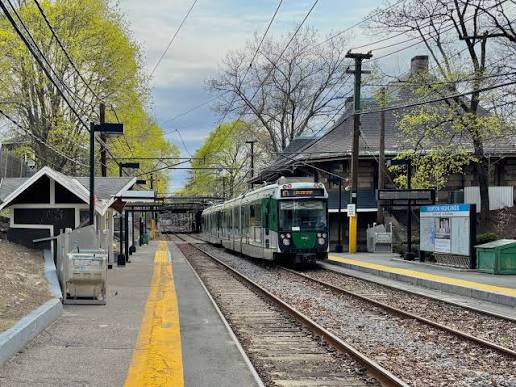
Its village center includes restaurants, shops, everyday services, and a Green Line station connecting the neighborhood with Boston. That combination makes it a logical location for conversations about transit-oriented housing.
Historically, much of Newton's residential landscape has consisted of single-family homes alongside smaller multifamily properties and apartment buildings.
However, housing needs across Greater Boston are diverse. Not everyone searching for a place to live is looking for a detached house, and not every household can afford market-rate rents or homeownership.
That's where developments like 1186 Walnut Street enter the picture.
Newton's updated Village Center Overlay District zoning provides a framework for additional housing in designated areas. Certain projects that comply with the zoning requirements can proceed without obtaining a discretionary special permit.
For Boston homebuyers, the important takeaway is that housing development doesn't happen exclusively in downtown Boston or large apartment towers.
It also happens in established suburban communities where zoning, transportation, available land, and financing come together.
What's Being Proposed at 1186 Walnut Street in Newton Highlands?
Project details reported as of November 19, 2026
The development proposed for 1186 Walnut Street, Newton, MA 02461 would transform the former auto service station site across from O'Hara's into a six-story residential and commercial building.
The project is sponsored by Terra Living Partners, led by Michael Alperin, with Arx Urban serving as development consultant.
According to the October 2026 funding application, the proposal includes:
- 35 income-restricted rental apartments, rather than condominiums offered for sale.
- 19 one-bedroom apartments, 11 two-bedroom apartments, four three-bedroom apartments, and one studio.
- Ground-floor commercial space facing Walnut Street.
- All-electric construction, with Passive House design standards and planned rooftop solar.
- A location approximately one block from the Newton Highlands Green Line station.
- An estimated development budget of approximately $26.8 million.
The apartments would serve households at different income levels, with 12 units designated for households earning no more than 30% of area median income, 17 at no more than 60%, and six at no more than 80%.
These are income eligibility thresholds, not advertised monthly rental prices.
The project also illustrates how complicated financing new housing can be.
The Newton Affordable Housing Trust committed $150,000 in August 2026. The Community Preservation Committee subsequently recommended an additional $2 million, with final City Council authorization still at issue in the latest verified reporting.
Additional financing is expected from public housing programs, tax-credit equity, and mortgage debt.
Importantly, the proposal is not a completed development. Its schedule depends on securing financing and completing the necessary steps before construction.
Sources: City of Newton project information; October 2026 project and financing details.
City of Newton, MA+2
Why Newton's New Zoning Matters for Boston Real Estate
One of the most significant details about 1186 Walnut Street isn't the building's height or price tag. It's the approval process.
Under Newton's Village Center Overlay District zoning, the proposed development qualifies as a by-right project, meaning it does not require a special permit if it satisfies the applicable zoning and other regulatory requirements.
That doesn't eliminate financing obligations, building permits, or construction standards. But it can remove a major layer of uncertainty from the development process.
For the broader Boston housing market, this is an important distinction.
Developers must consider construction expenses, land acquisition, financing costs, and regulatory requirements before a project becomes financially viable.
When zoning allows qualifying multifamily housing in designated locations, it can make the planning process more predictable.
That doesn't guarantee new construction will happen. It simply creates another potential path for adding housing.
The proposed Newton Highlands development is a practical example of how zoning changes may translate into actual housing proposals.
Banker & Tradesman+1
What Does This Mean If You're Buying a Home in Boston or Newton?
If you're comparing Boston homes for sale with properties in Newton, Brookline, Needham, or Wellesley, developments like this deserve attention for several reasons.
First, additional apartments could expand the range of housing options available in the community. However, because the Walnut Street project is entirely income-restricted rental housing, it would not directly increase the number of homes available for purchase.
Second, new construction can gradually reshape village centers. More residents and ground-floor businesses may influence how a neighborhood functions, although specific commercial tenants and future neighborhood effects remain uncertain.
Third, one 35-unit project is unlikely to transform Greater Boston housing prices on its own. Market conditions depend on much broader factors, including available inventory, borrowing costs, demand, and the types of homes buyers want.
If you're planning to buy, it's worth researching both current properties and proposed developments near the neighborhoods you're considering.
Frequently Asked Questions About 1186 Walnut Street
Is the 1186 Walnut Street development approved?
The proposal qualifies for by-right development under the applicable village center zoning, according to its funding application. However, zoning compliance does not mean the project has secured all financing or completed every requirement necessary to begin construction.
As of the latest verified November 2026 reporting, the $2 million Community Preservation Act funding request was still awaiting final City Council action.
The Newton Record+1
Will the new Newton Highlands apartments be available to buy?
No. The proposed 35 homes are income-restricted rental apartments, not condominiums or individually listed homes for sale.
When will construction be completed?
The developer's October application anticipates construction continuing into early 2030, assuming necessary financing and approvals are secured. That is a projected schedule, not a guaranteed completion date.
The Newton Record+1
Will this development make buying a home in Newton more affordable?
There is no verified evidence that this individual project will lower Newton home prices. It could add affordable rental opportunities, but its effect on the for-sale housing market cannot be predicted from the proposal alone.
Should buyers consider Newton instead of Boston?
That depends on your budget, preferred property type, transportation needs, and daily lifestyle.
Boston offers a wide range of urban housing choices, while Newton provides a different mix of single-family homes, condominiums, multifamily properties, and village-center living.
The right decision comes from comparing actual available properties and understanding each neighborhood rather than assuming one market is automatically better than another.
The Bigger Picture for Greater Boston Homebuyers
The 1186 Walnut Street proposal represents more than a possible new apartment building. It shows how Newton is adapting its approach to housing development in existing village centers.
For prospective buyers, the lesson is simple: understanding local zoning changes, future construction, and neighborhood development can be just as valuable as watching listing prices.
When you're making a major real estate decision, knowing what's happening around a property helps you evaluate the bigger picture.
Thinking About Moving to Boston or Buying a Home in Newton?
Whether you're relocating to Greater Boston, exploring Newton homes for sale, or comparing nearby communities, Katherine can help you understand your options and navigate the local real estate market with confidence.
Visit MovingToNewtonMA.com to explore your next move and connect with Katherine.
Categories
- All Blogs (92)
- Boston Lifestyle & Things to Do (69)
- Boston Luxury Living (63)
- Boston Neighborhood Guides (68)
- Boston Real Estate Market (64)
- Buyer Education (52)
- Cambridge Housing Reform: What Boston Homebuyers Need to Know (5)
- Living in Boston MA (72)
- Living in Newton MA (80)
- New Construction & Development (49)
- Newton Village Guides (53)
- Restaurants & Local Businesses (55)
- Seller Strategy (54)
Recent Posts