
The Best and Worst Parts of Living in Brookline, Massachusetts
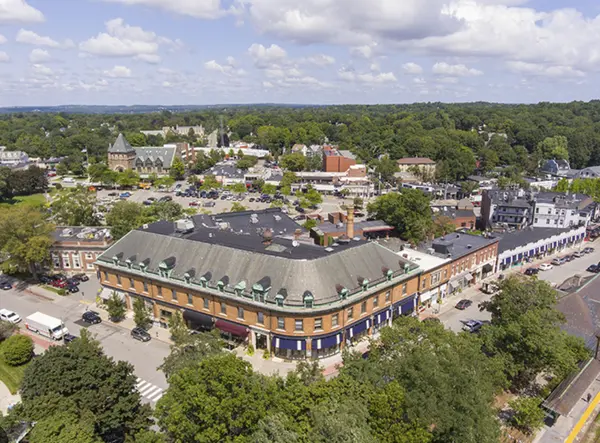
If you’re moving to Boston and Brookline keeps popping up in your search, there is a reason. Brookline gives you that rare mix of city access, neighborhood charm, beautiful historic homes, strong public transportation, parks, restaurants, and a very established community feel. It is one of the most desirable places to live near Boston because it feels connected to the city without feeling like you are fully in the city. But the tiny plot twist. Brookline is not for everyone. The price point, parking, density, and competition can surprise buyers fast.
Brookline has one of the most interesting histories of any Boston-adjacent town
Originally known as Muddy River, it was settled in 1638 as part of Boston and later incorporated as the Town of Brookline in 1705. Today, it is almost surrounded by Boston, which is part of why it feels so connected to the city while still maintaining its own town identity.
Brookline developed from an agricultural community into one of Boston’s early streetcar suburbs. By the late 1800s and early 1900s, transit access helped shape Brookline into a highly desirable residential town with urban convenience and suburban character.
The town is also known for its historic homes, beautiful streets, Longwood-area proximity, and cultural landmarks. President John F. Kennedy was born in Brookline, and the town is also home to the Frederick Law Olmsted National Historic Site, connecting Brookline to both American history and landscape design.
For buyers relocating to Greater Boston
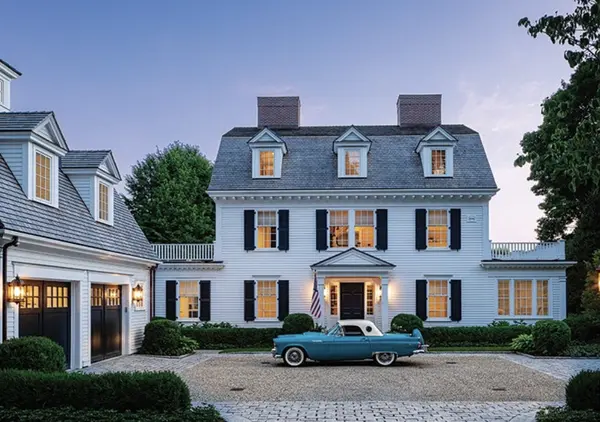
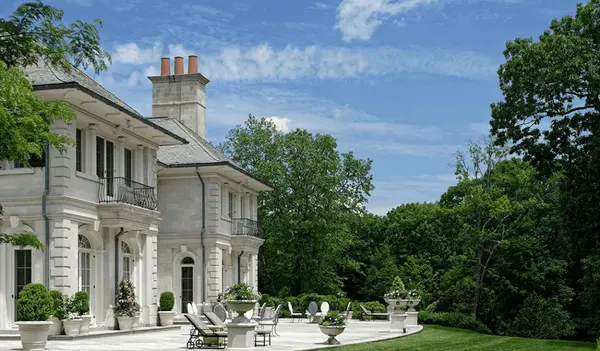
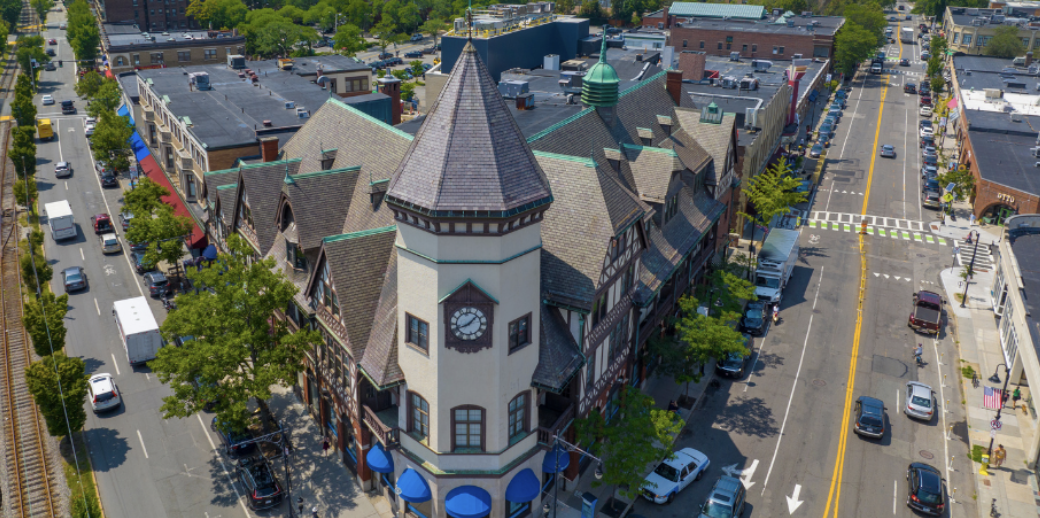
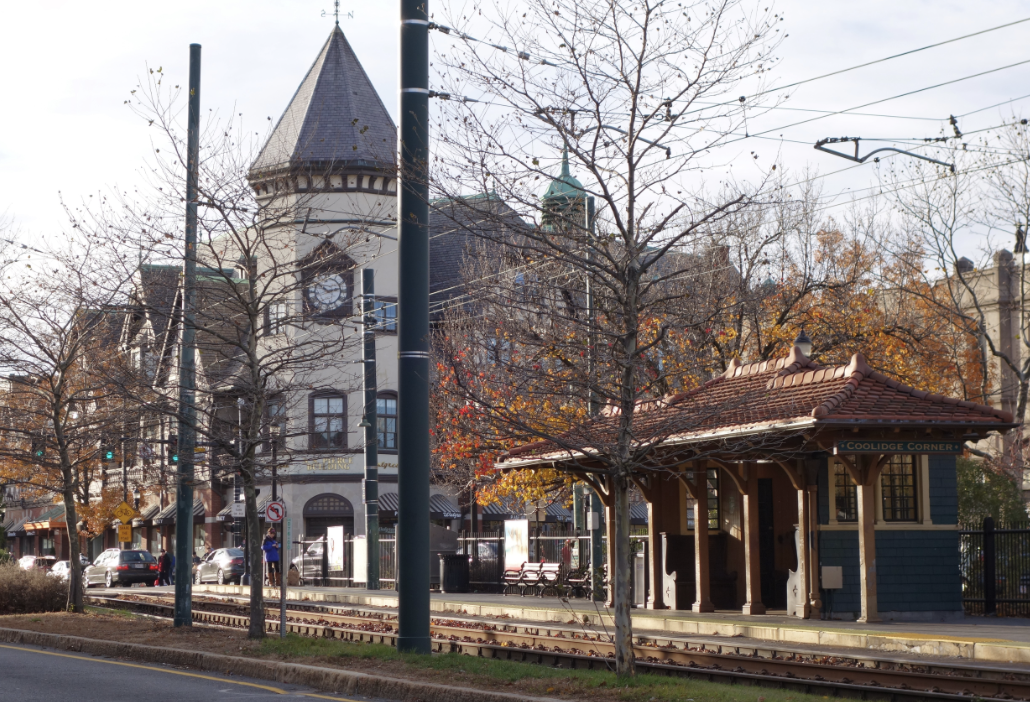
Brookline can be incredibly appealing because it offers multiple lifestyle options in one town. You can find condos near Coolidge Corner, brownstone-style homes near Brookline Village, larger single-family homes in South Brookline, and luxury properties near Chestnut Hill. It is not a one-size-fits-all town, which is exactly why buyers need to understand the neighborhoods before falling in love with the zip code.
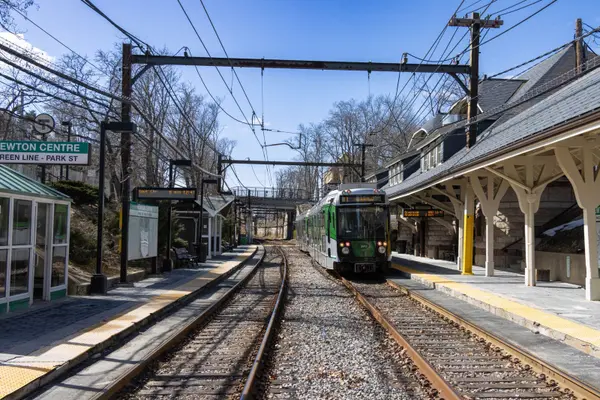
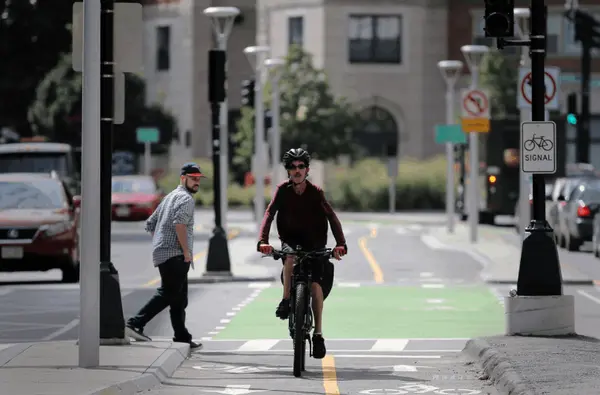
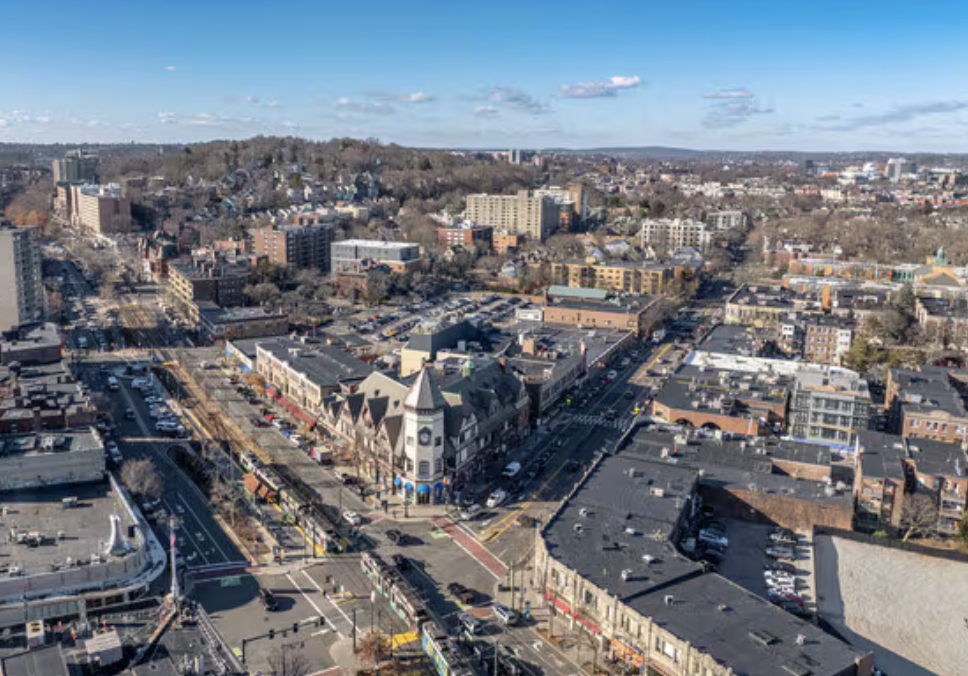
The best parts of living in Brookline are the access and lifestyle. Brookline is served by the MBTA Green Line C and D branches, while the B and E branches are accessible just outside town borders. The C Line runs along Beacon Street, and the D Line connects areas near Reservoir, Brookline Village, and Longwood.
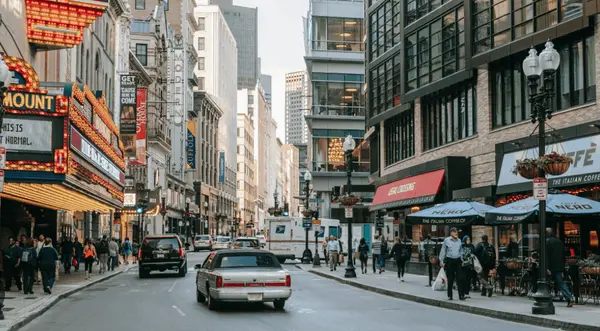
That means many residents can get into Boston, Longwood Medical Area, Back Bay, and downtown without relying entirely on a car. Add in restaurants, coffee shops, parks, bookstores, schools, and walkable village centers, and Brookline has a very real “leave the car at home” lifestyle.
The trade-offs? Brookline is expensive, parking can be painful, inventory can be tight, and some homes are older, which means charm may also come with renovation decisions. Translation: beautiful crown molding, but maybe also a heating system that has seen things.
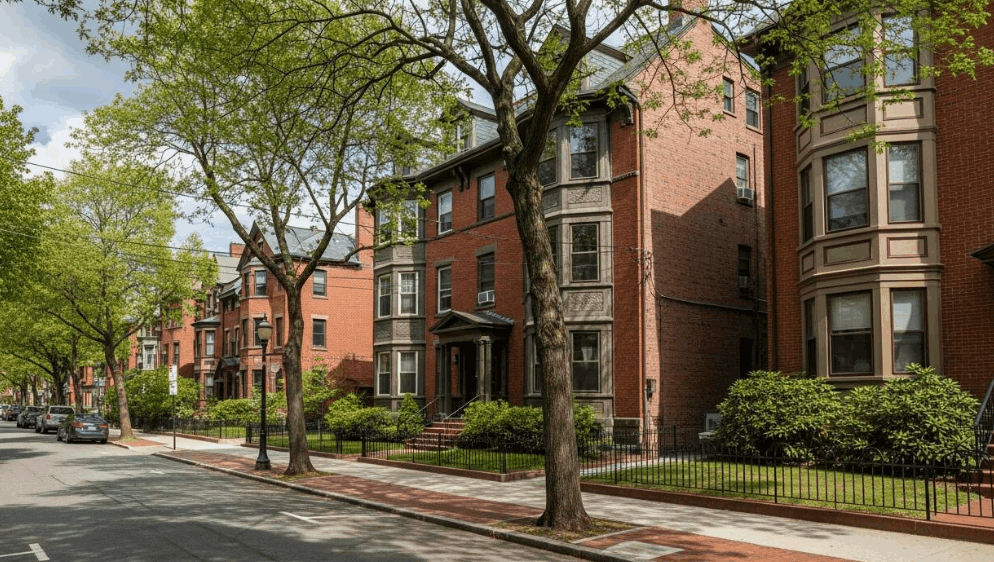
Brookline is significant in the Greater Boston real estate market
Because it sits in a very rare category: close to Boston, transit-rich, highly desirable, and still town-governed. The town is roughly four miles from downtown Boston and is known for livable neighborhoods, green space, historic preservation, strong commercial areas, and excellent transportation access.
For relocation buyers, Brookline often competes with Newton, Cambridge, Back Bay, South End, and Wellesley depending on lifestyle, commute, schools, and budget. It is especially attractive for buyers connected to Longwood Medical Area, Boston University, Fenway, downtown Boston, and families who want a walkable community close to the city.
The key is knowing which part of Brookline fits your actual life. Coolidge Corner, Brookline Village, Washington Square, Chestnut Hill, and South Brookline all feel very different.
Thinking about moving to Brookline
Or comparing Brookline vs. Newton, Boston, Cambridge, or Wellesley? Let’s build a smart plan around your commute, lifestyle, schools, budget, and the kind of neighborhood you actually want to come home to.
About Katherine Kranenburg
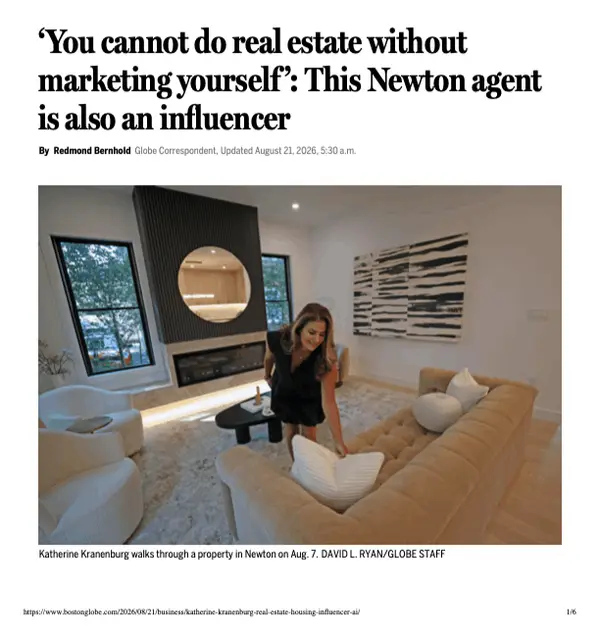
Katherine Kranenburg, REALTOR®, is a Luxury Marketing Specialist and top-producing Greater Boston REALTOR® with nearly two decades of experience helping buyers and sellers navigate one of the country's most competitive real estate markets.
Recognized as a Boston Magazine Top Real Estate Agent and backed by 5-Star Google reviews and client recommendations, Katherine is known for making relocation to Greater Boston feel seamless and stress-free. She specializes in helping relocation buyers, luxury home buyers, move-up families, downsizing homeowners, and sellers make confident real estate decisions with expert local guidance.
Whether you're buying or selling in Boston, Newton, Wellesley, Brookline, Back Bay, Newton Centre, Waban, Newton Highlands, or the surrounding Greater Boston communities, Katherine combines in-depth market knowledge, strategic negotiation, and personalized service to help clients achieve exceptional results.
Categories
- All Blogs (90)
- Boston Lifestyle & Things to Do (73)
- Boston Luxury Living (67)
- Boston Neighborhood Guides (72)
- Boston Real Estate Market (68)
- Buyer Education (56)
- Cambridge Housing Reform: What Boston Homebuyers Need to Know (5)
- Living in Boston MA (76)
- Living in Newton MA (86)
- New Construction & Development (53)
- Newton Village Guides (57)
- Restaurants & Local Businesses (59)
- Seller Strategy (58)
Recent Posts